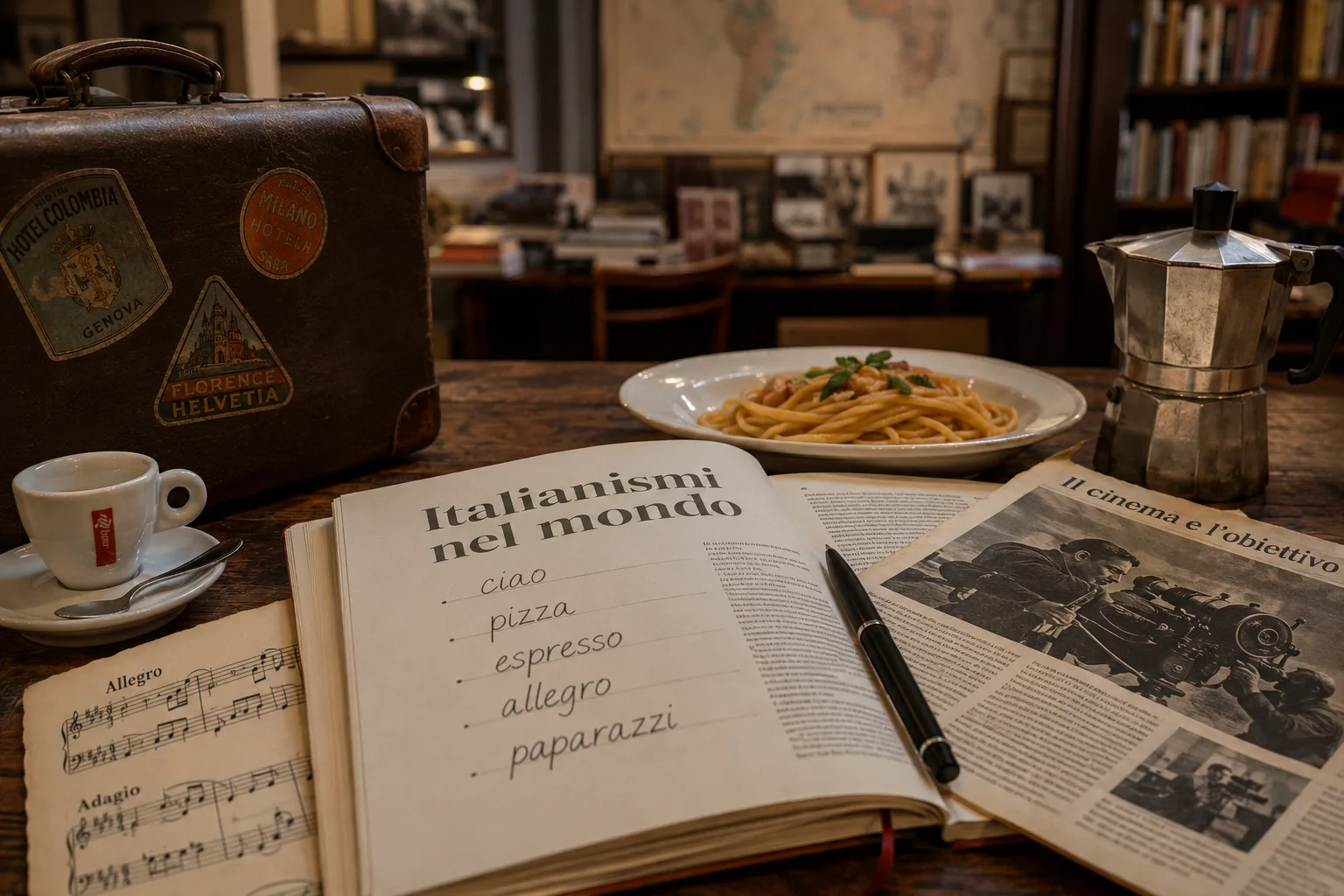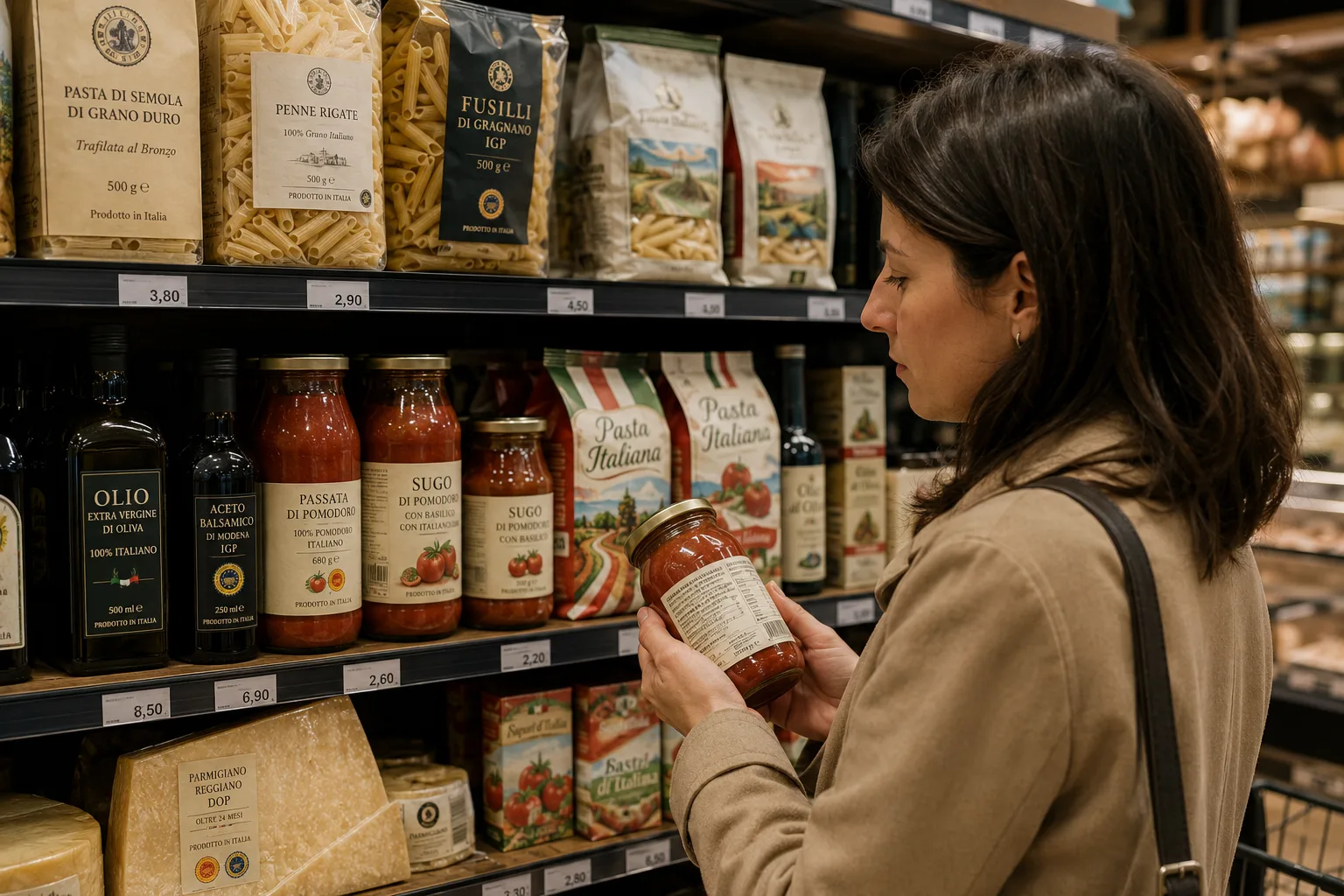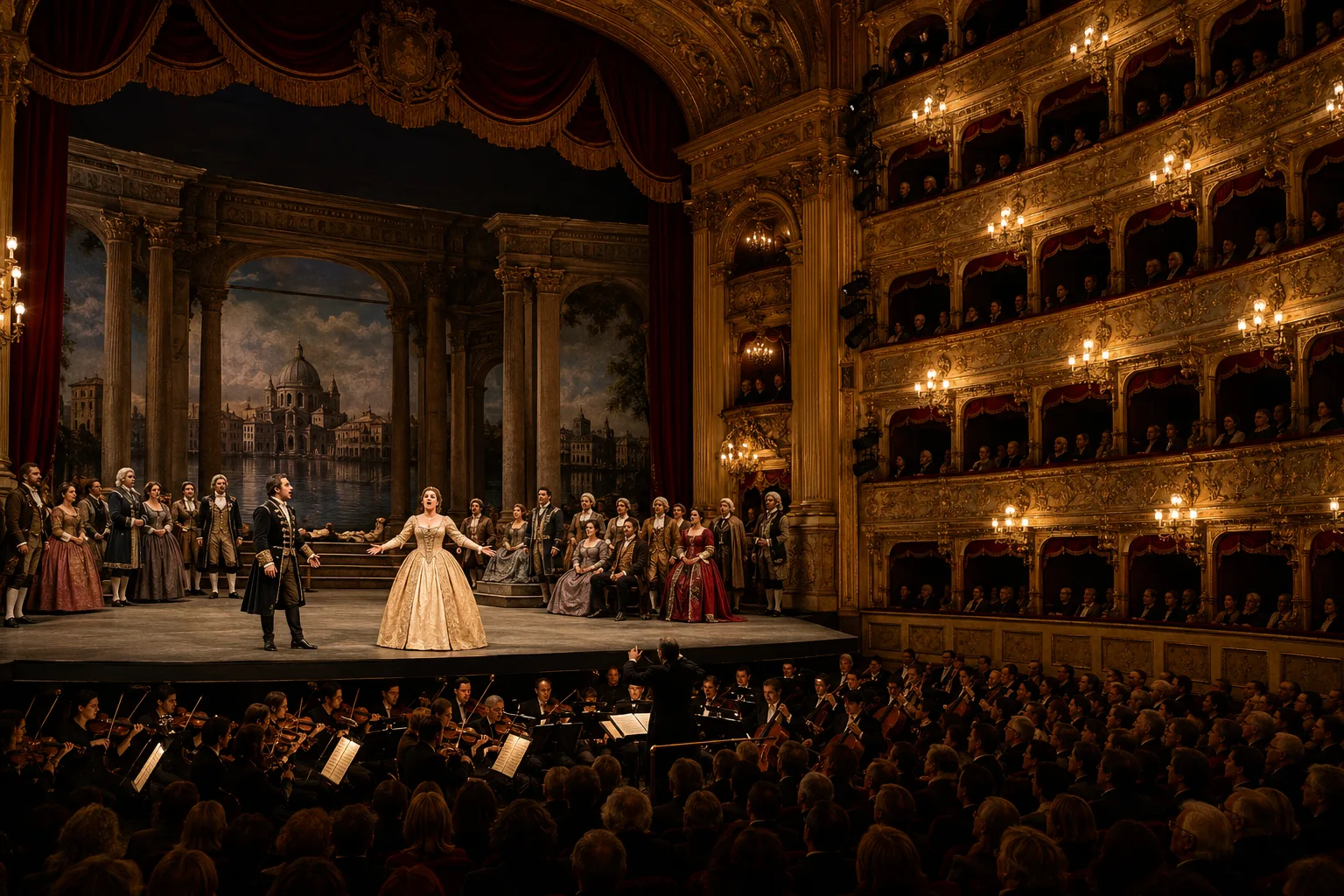
That is why Italianisms tell us far more than that Italy is broadly liked. Each word retains a trace of the setting from which it set out. Arsenale, tariffa, banca and rischio call to mind trade, finance, ports and mercantile cities. Opera, sonetto, stucco and cupola carry the European circulation of Renaissance art and literature. Words connected with food arrived later, often alongside products, restaurants and migrant communities. Languages do not import words out of courtesy. They adopt them when they are useful, when they name a novelty, when they lend distinction to an object or when they attach themselves to a concrete habit.
Italian never had the administrative reach of English, French or Spanish. It has nonetheless exerted a marked influence in highly recognisable fields, often through the cultural standing of Italian cities and the movement of people. The Accademia della Crusca’s Observatory of Italianisms Worldwide records precisely these presences: Italian words, and words of Italian origin, that spread into other languages and are checked through lexicographical tools and international research. Its database follows the actual movement of words, including deviations, uncertainties and local adaptations, setting aside any celebratory intent, including detours, uncertainties and local adaptations. [10]
The language of music
At a conservatoire in Prague, Buenos Aires or Tokyo, a musician can read allegro, adagio, andante, forte, piano, crescendo and ritardando without speaking Italian. These words are not there for conversation. They give instructions: they suggest tempo, intensity and the direction of a sound. In this use they become almost technical objects, formulas shared by performers of Western music. Their value lies in the precision accumulated through centuries of practice, and it is hard to imagine a classical score without them.
In an interview published by Treccani on the fortunes of Italian beyond its national borders, Luca Serianni notes that musical Italianisms appear wherever the Western musical tradition has taken root. They remain in use even when Italian musical prestige wanes in a particular period. The point matters: words can outlive the cultural system that first made them necessary. Once established in scores, they pass from teacher to pupil, from edition to edition, from orchestra to orchestra. [3]
Meanwhile, their meaning narrows and shifts. In everyday Italian, allegro describes a cheerful disposition; in music it marks a lively tempo. Piano can mean a plan, a flat surface or a gentle slope, while on a score it tells a player to reduce the volume. Technical language takes ordinary words, gives them a sharper use and then exports them. This is also why music is the sphere in which Italian seems least picturesque: no one finds an adagio on a page of Beethoven or Tchaikovsky exotic. It is a working convention, part of the craft.
The Treccani entry on Italianisms points out that many musical markings come from Italian adjectives used as nouns, with tempo understood. A short word therefore contains a small grammatical ellipsis: allegro originally means “a cheerful tempo”; adagio, “a slow tempo”. The history of international music also runs through such abbreviations, which every performer learns well before learning the history of Italian itself. [1]
Trade and workshops
Long before Italian restaurants and fashion labels, many words had already left the peninsula along commercial and diplomatic routes. Venice and Genoa were trading hubs; Florence carried financial and cultural weight beyond its borders; Rome and the courts of the Renaissance drew artists, architects, travellers and churchmen. A new object, a technique, a coin, a building or a commercial practice could circulate with the name by which it was known.
Writing about Italianisms in English for Treccani, Giovanni Iamartino recalls that some early borrowings concerned the economy and finance. Medieval English contains words connected with Italian trade; later, terms such as bank, bankrupt, cash and risk entered or became established, often through French, while retaining an Italian origin in their lexical history. The route matters as much as the departure point. A word never travels in a straight line: it goes through merchants, scribes, interpreters, ports, courts, printing houses and languages that alter it along the way. [2]
The same happened in the arts. English absorbed words such as gesso, stucco, cupola, duomo, belvedere and piazza, which became associated with an artistic civilisation observed and imitated by Renaissance Europe. A linguistic borrowing records a relationship of cultural influence, but it also answers a practical need. When an architectural form, a painting technique or a poetic genre reaches a new setting, the original name often remains because it avoids cumbersome paraphrases and retains an air of expertise.
Italian has thus left traces in fields that we now associate only faintly with contemporary Italy: seamanship, fortifications, trade, geography and science. Vocabulary crosses boundaries without regard for tidy compartments. A single historical period can export a navigational term, a banking word and a theatrical expression. Looking at Italianisms only through pizza and cappuccino would be convenient, but it would erase a long part of their history. [2]
The language of taste
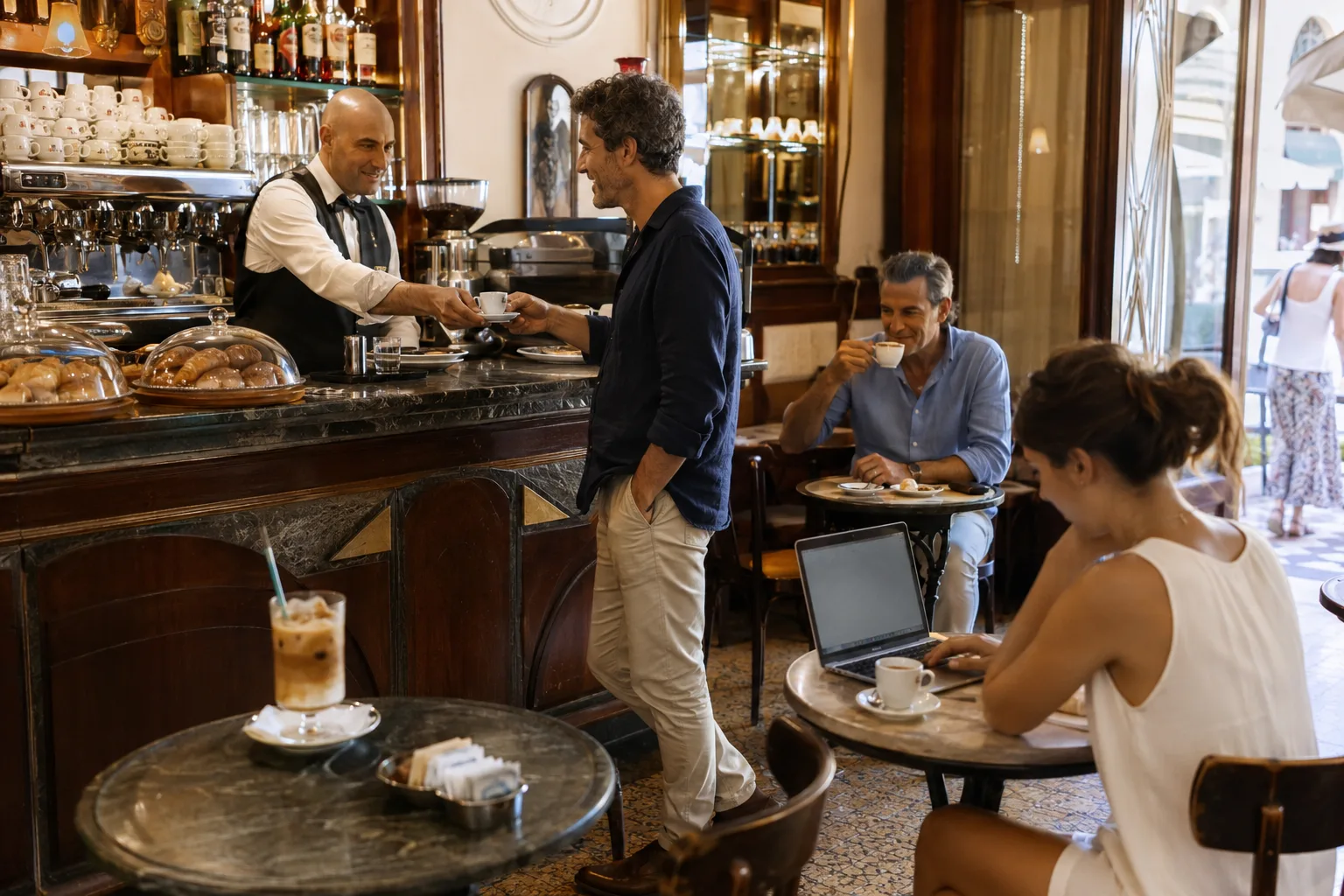
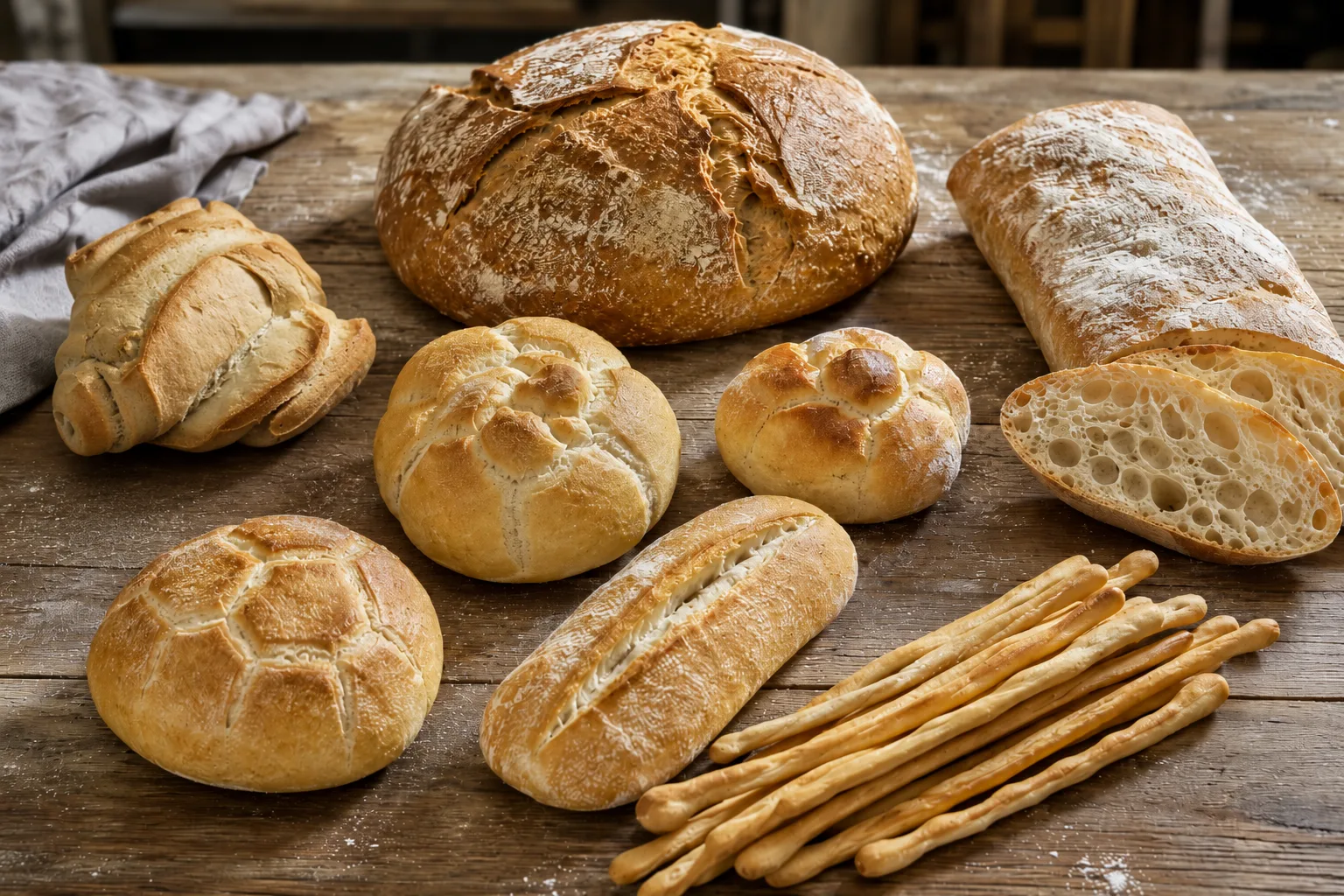
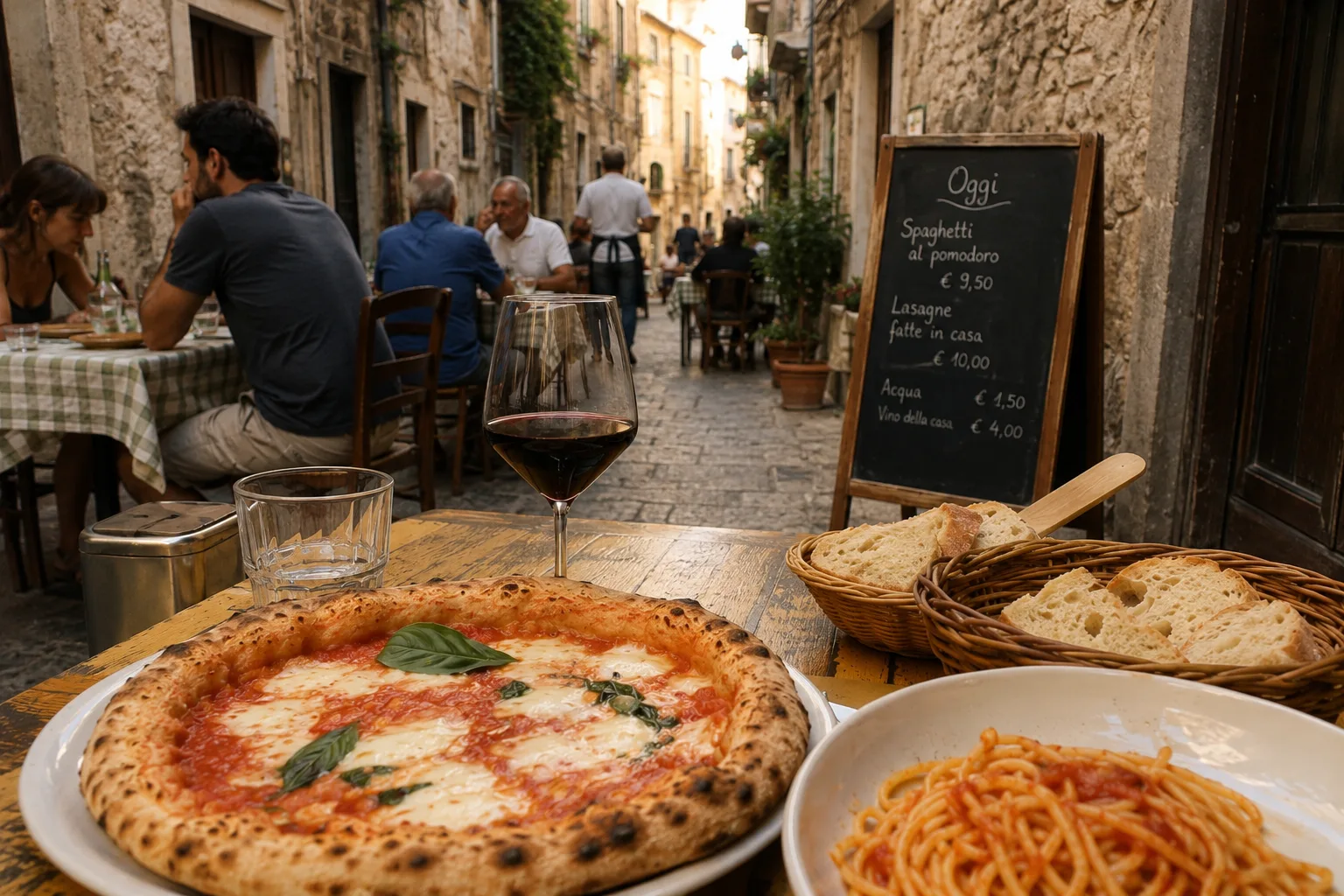
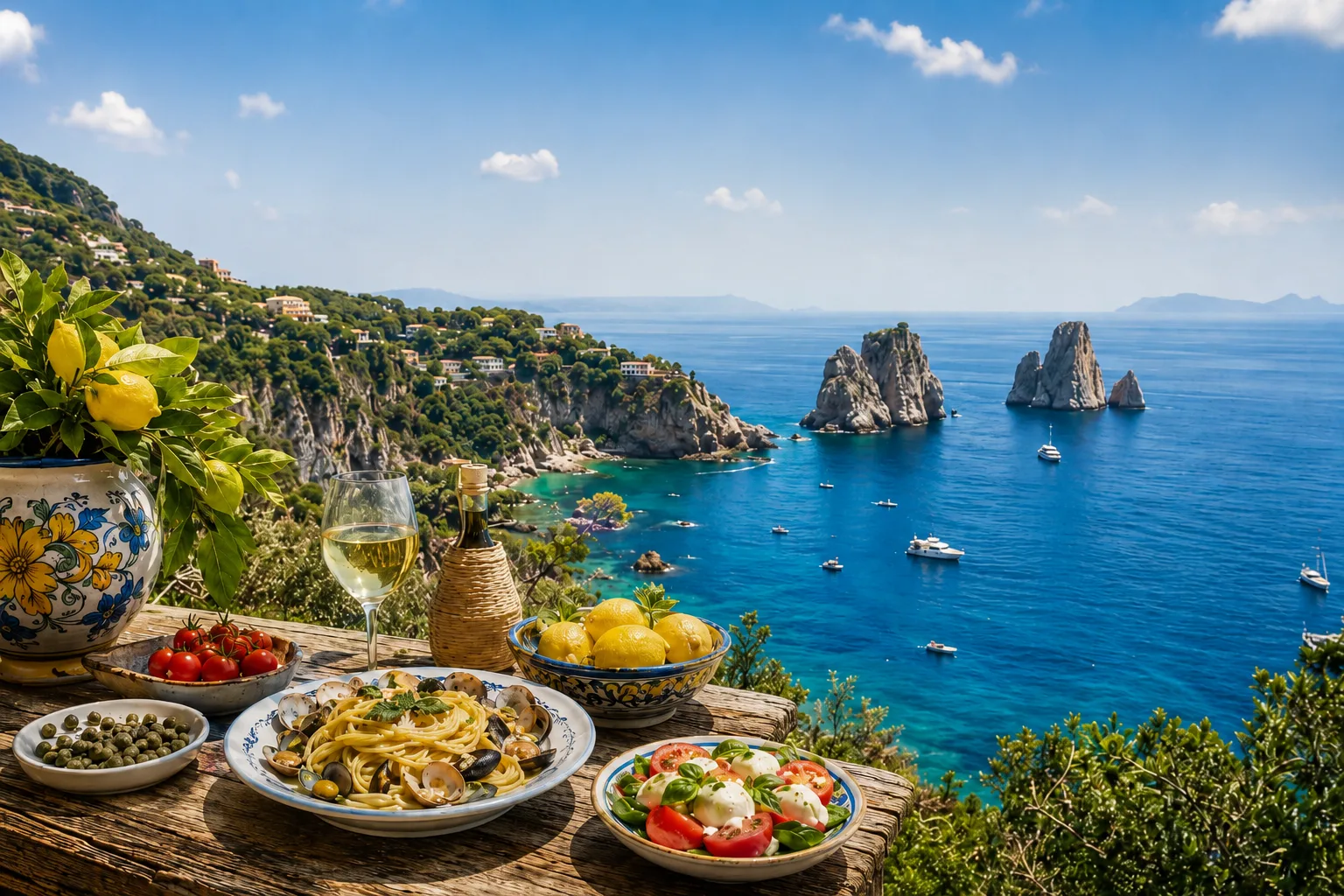
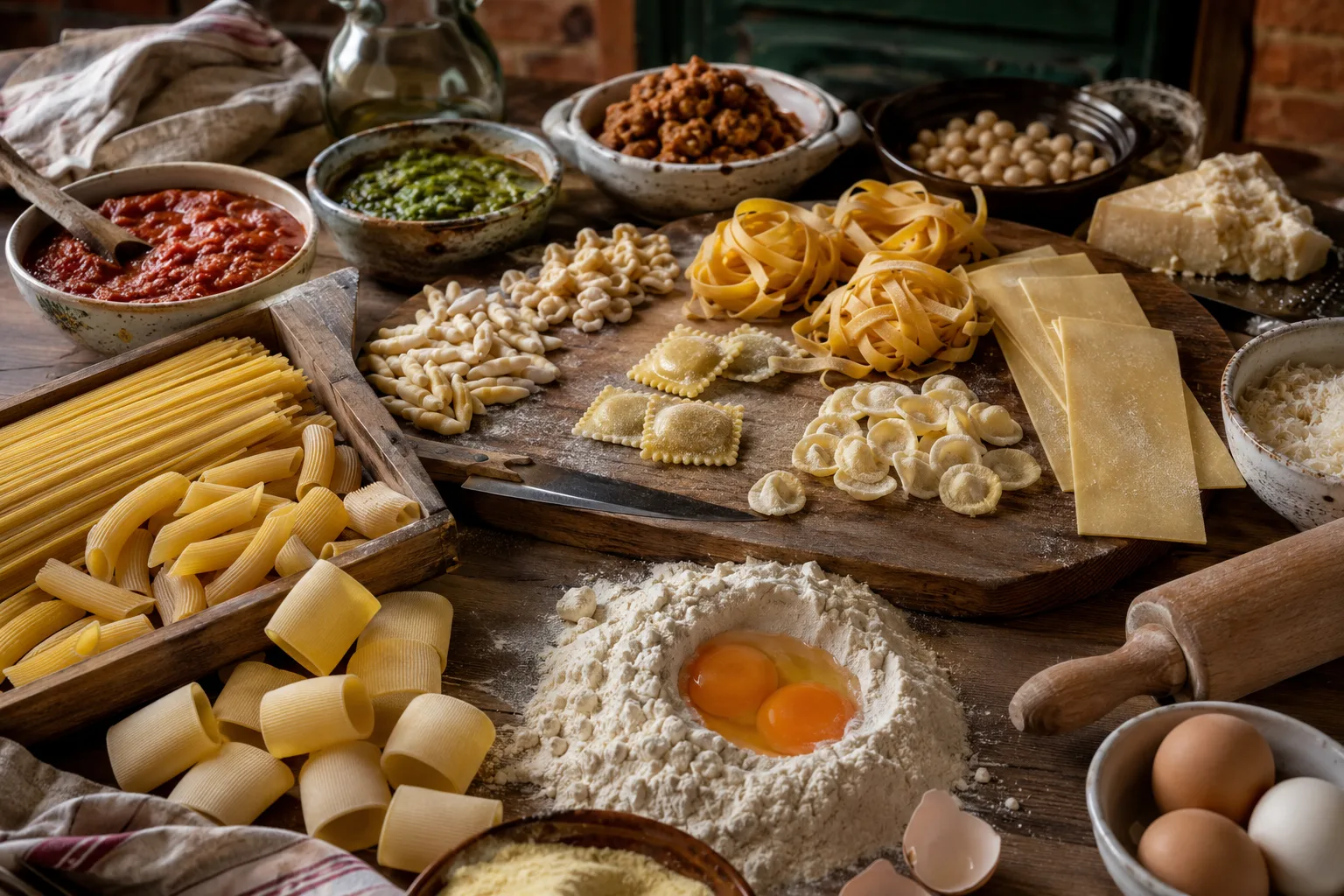
Food is the setting in which Italianisms are easiest to notice, because the name of a dish travels with the experience of eating it. Pizza, spaghetti, lasagne, risotto, espresso, cappuccino, gelato and tiramisù are words that allow people in many countries to order without translating. They have one simple advantage: they name recognisable things. A restaurant may change ingredients, portion sizes and service style, yet it keeps the Italian term because that term promises a family of flavours already familiar to the customer.
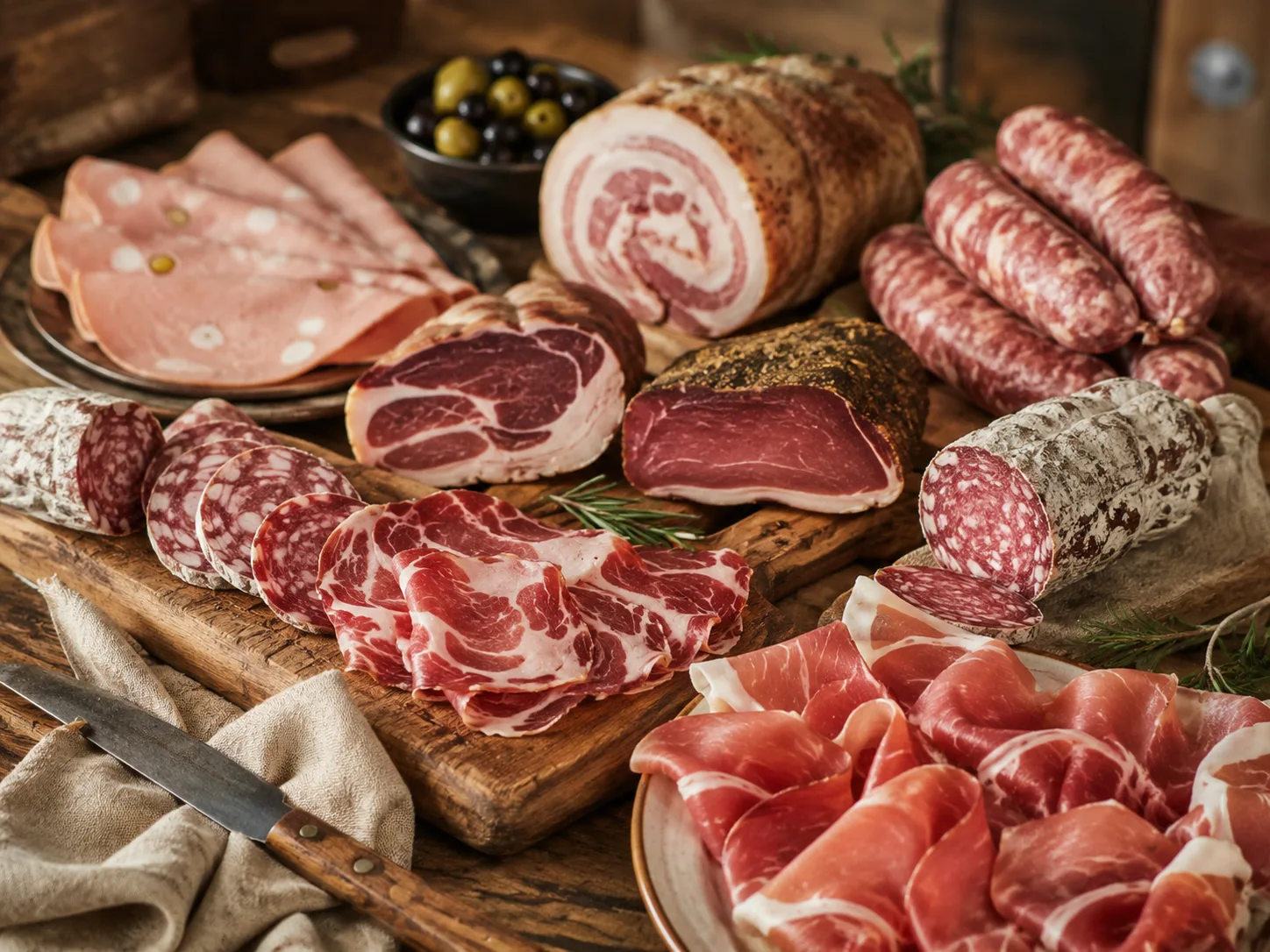
Treccani notes that the spread in English of words such as lasagne, spaghetti, ricotta, risotto and salami was also linked to the presence of Italian communities. After the Second World War, espresso, cappuccino and pizza began circulating internationally on a wider scale. The same encyclopaedia entry recalls that food vocabulary came to occupy an increasingly significant share of Italianisms in twentieth-century English. The change coincided with the expansion of Italian restaurants, food manufacturing, tourism and urban consumption. [4]
The word, though, only partly preserves the recipe. A pizza ordered in Chicago, Stockholm or Bangkok may have very different doughs and toppings. A cappuccino may be larger, sweeter or colder than one served in an Italian bar. This is hardly surprising: when a food enters another country’s everyday life, it adapts to available ingredients, local habits and customers’ expectations. The Italian name remains because it identifies where the idea came from, even when the result has acquired a history of its own.
The Treccani project on the global reach of Italian, led by Luca Serianni with Lucilla Pizzoli and Leonardo Rossi, mapped gastronomic italianisms across dozens of languages and continents: pizza, spaghetti, cappuccino and espresso turn up in the vocabularies of countries with no direct historical tie to Italy. Food made Italian visible in signs, supermarkets and everyday conversations. It also produced imitations, distortions and invented words, which need to be told apart from genuine loanwords. [3][4]
Words of the diaspora
The most durable words do not always begin in a book or an advertising campaign. Sometimes they cross an ocean in a suitcase, remain in a family kitchen, enter a workshop or market, or survive in the way a neighbourhood names a trade. Between the nineteenth and twentieth centuries, millions of Italians emigrated to the Americas, Australia and several parts of Europe. They brought Italian with them, but also Venetian, Piedmontese, Sicilian, Neapolitan, Friulian and Calabrian dialects. It was often this plural, spoken, local Italian that left its mark on the languages of the receiving countries.
Brazil offers a particularly clear example. In research published by the Accademia della Crusca, Alessandra Paola Caramori links the presence of Italianisms in Brazilian Portuguese chiefly to Italian immigration. Large migratory waves first took many Italian workers into rural areas, then brought other newcomers to industrial districts, above all around São Paulo. The words did not arrive alone: they belonged to domestic habits, occupations, recipes, forms of address and regional accents. [5]
The study recalls that descendants of immigrants left enduring traces in Brazilian Portuguese and that, in more recent times, imported products, magazines, books and advertising encouraged a second phase of circulation. Terms born in family speech could also appear in newspapers or commercial strategies. This works differently from the language of a musical score: here no authority fixes usage; instead, a network of repeated relationships does. A word changes because its users change, as do the circumstances in which it is used and the accent with which it is said.
A different picture emerges in the languages of countries linked to Italy’s colonial presence. For parts of Mediterranean Africa and languages in former colonies, the study records borrowings connected with trades, mechanics, construction, clothing, the home, bureaucracy and medicine. Local adaptations of terms such as falegname, cemento, giacca, credenza and farmacia appear in these contexts. They are less conspicuous than pizza, yet they tell of everyday contacts and historical relationships that cannot be reduced to a postcard version of Italianness. [3]
Screens and greetings
Cinema has given Italian some of its best-known words. Paparazzo began as the surname of the photographer in Federico Fellini’s film La dolce vita. It soon detached itself from the character and became the common name for a photographer who pursues celebrities and public figures. In an article for Treccani, Enzo Caffarelli recounts how the term had already started changing during filming, when Fellini used the plural “i paparazzi” to address the press photographers on set. With the film’s success, the name passed into many other languages. [6]
The transformation is linguistic before it is cinematic. In several languages, paparazzi is treated as both singular and plural, because the final -i is perceived as an Italian marker rather than a grammatical rule to be observed. The borrowing preserves its sound, loses part of its original structure and acquires an independent life. Dolce vita followed a comparable route: outside Italy, it can evoke a filmic Rome, a light sort of luxury and a way of enjoying time, often closer to a shared fantasy than to the expression’s literal sense.
Sport has created other transfers. the survey notes the international spread of libero, tifoso and azzurri, also helped by Italy’s World Cup victory in 1982. Here words travel through commentaries, newspapers, sticker albums, footballers’ transfers and discussions among supporters. A technical term may enter a language and remain because the game makes it useful, while a national nickname such as azzurri can survive as a recognisable cultural reference. [4]
Then there is ciao, perhaps the nimblest Italian word of all. It has Venetian roots: it derives from s-ciao, a form connected with “your servant”, a greeting formula already attested in the Venetian tradition. Its submissive value faded over time, leaving an informal greeting suited both to meeting and parting. Treccani calls it a kind of “flag word” for Italian abroad. It is short, easy to remember, easy to pronounce in many languages and carries an idea of familiarity. [7]
New forms
Every borrowing undergoes a change. Pronunciation changes, number changes and sometimes the field of use changes. A receiving language takes what it needs and adapts it to its own rules. The mechanism may sound ordinary, yet it explains why many Italian words abroad sound slightly different, take an unexpected gender or appear in situations that would seem unusual in Italy. A borrowing does not preserve an object under glass: it enters the system of the language that hosts it.
The Treccani entry on Italianisms gives very concrete examples. In Spanish, the difficulty of pronouncing s followed by a consonant can produce an initial vowel: scudetto becomes escudetto. In French and other languages, Italian suffixes such as -esco and -issimo can gain autonomy and be used to create new words or expressive shades. Influence therefore concerns more than whole nouns. It can involve pieces of words, spellings and even habits of pronunciation. [1]
Such changes do not necessarily signal a mistake. They are the normal effect of contact between languages. A French speaker who uses capriccio in a musical context, an English speaker who talks about paparazzi, a Brazilian who uses a word that arrived through immigrant dialects is not trying to imitate classroom Italian. They are using a word that now belongs to their own language. The etymology remains, but ownership of the word changes.
The same dynamic complicates debates about authenticity. A word can retain its Italian name and lose almost everything else: pronunciation, grammar, the size of the product, the social situation in which it is used. This often happens with food vocabulary. The word places a dish within a certain tradition, while the recipe adapts to local tastes and ingredients. In music, the reverse happens: the term stays highly stable because a score requires precise conventions. Italianisms therefore help us understand how each field regulates linguistic change. [3]
Fake Italian
Alongside Italianisms, there are pseudo-Italianisms: words created outside Italy in order to evoke it. They do not need to be correct in order to work. They need to sound Italian, suggest a certain style, call up craft quality, fashion, food or pleasure. Lucilla Pizzoli cites examples ranging from car names to commercial food specialities, such as Frappaccino, Mochaccino and Tuttifrutti. Here Italian becomes sound and visual material: a run of vowels, a double consonant, a recognisable suffix, a word capable of making a product seem more desirable. [8]
The phenomenon calls for a clear distinction. An Italianism emerges through use: a language adopts it because a community repeats it, understands it and reshapes it. A pseudo-Italianism is often devised at a desk, in a marketing department or a product catalogue. It may become popular, but it begins with a different need. It does not necessarily tell of actual contact with Italy; instead it creates an image of Italy that is simplified and easy to sell.
In an article for the Accademia della Crusca about Italian-sounding labels, Maria Teresa Zanola describes this practice as a distortion or manipulation when it is offered as a substitute for the Italian original. The issue varies from case to case. An Italianate name chosen for a clothing line does not carry the same consequences as a food label that leads buyers to believe in an origin the product does not have. Language here meets commercial reputation and consumer trust. [9]
There is no need, though, to treat every invented word as fraud. Some pseudo-Italian expressions are now part of a country’s humour, advertising or popular culture. They can even reveal how that country imagines Italians: expansive, elegant, noisy, sentimental and attached to good food. Trouble begins when the stereotype replaces every concrete piece of information. A documented Italianism retains a history of passages and uses; a pseudo-Italianism chiefly reveals the wish to use Italianness as a sign. The two can coexist, but they should not be confused. [8]
A living archive
Italianisms form an archive in motion. They tell of what Italy has exported, but also of what other countries have chosen to take, alter and make their own. Some words come from distant periods: banca, duomo, arsenale. Others depend on a very specific moment: paparazzo would not exist without Fellini, just as many football terms would not have circulated in the same way without sports television. Others still are tied to family migrations, less visible and slower.
The Observatory of Italianisms Worldwide works precisely with this variety. The Accademia della Crusca’s database gathers material already included in the Dizionario di italianismi in francese, inglese e tedesco and incorporates new research by scholars in many countries. The project involves European and American universities and research centres, as well as institutions in the Mediterranean, Eastern Europe and other linguistic settings. It does not seek a league table of the best-known Italian words. It asks where they entered, through which routes and with what meanings. [10]
That archive also contains words Italy would rather not have exported. Mafia, for instance, is among the most widespread Italianisms and carries a heavy image, tied to criminal history and an international stereotype that is hard to separate from the word itself. It is a useful reminder: languages do not transmit only prestige, beauty or food. They also transmit conflicts, power relations, fears, caricatures and uncomfortable memories. [4]
That is why it is worth looking closely at an allegro printed on a score, a ciao typed in a chat, paparazzi in an English newspaper or an Italianate name on a package. Behind those words stand specific people and circumstances: a musician, a migrant, a director, a trader, an advertiser. The Italian word remains, but each time it tells a different story.
Bibliography
Discussion
Join discussion!
There are already 0 comments on this article in the forum.