
Premium Content
This article is reserved for Premium subscribers. Log in or subscribe to read the full content.



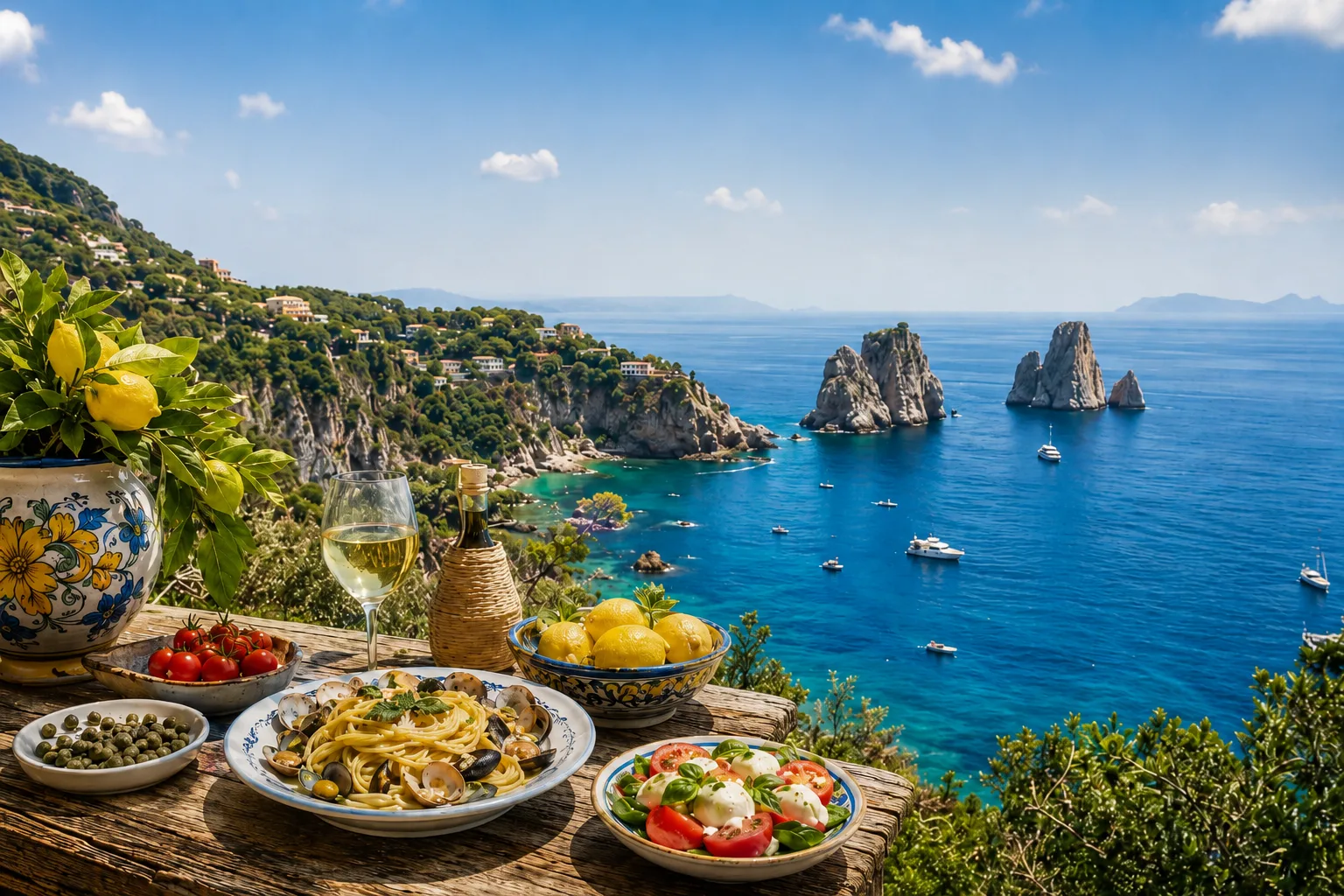
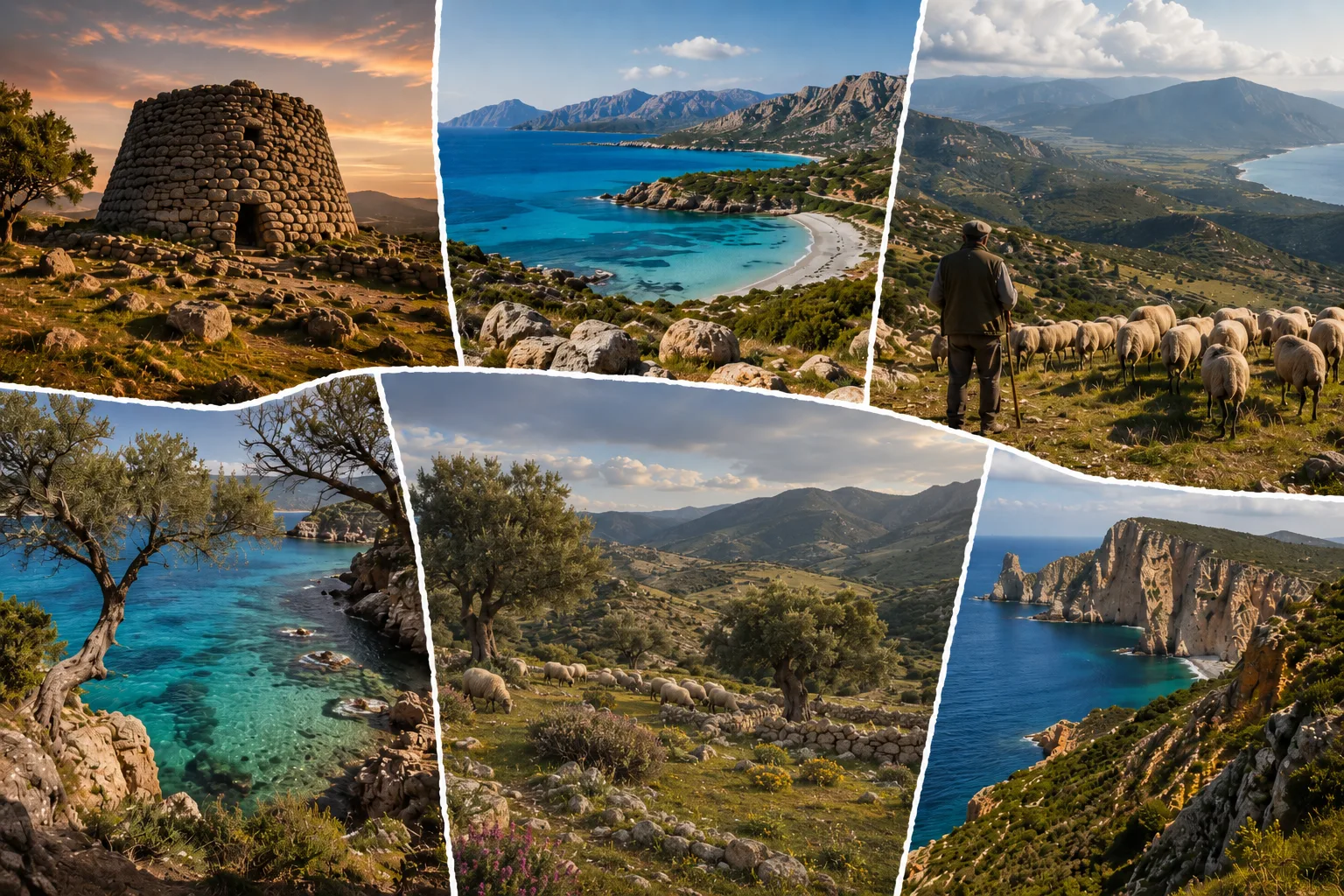
Italy’s minor islands are often presented as summer destinations, yet they are first and foremost year-round communities where the sea determines time, cost and access to services. Elba, the Aeolian Islands, the Egadi, the Tremiti, the Pontine Islands, Procida, Pantelleria and Lampedusa reveal different forms of insularity. Their lives bring into focus questions that affect all Italy: seasonal tourism, transport, water, housing, work and the right to remain.
This article is reserved for Premium subscribers. Log in or subscribe to read the full content.
The best choice to save money with a single annual payment. Cancel anytime.
Recurring payment every month, completely automatic. Cancel anytime.

 Free
Free



We use cookies and similar technologies to keep the website secure and fully functional. With your consent, we also use analytics cookies to understand traffic and improve the website.
Required for security, navigation, language selection and consent storage. Always active.
Allows privacy-respectful traffic measurement through Google Analytics 4 after your consent.
Discussion
Join discussion!
There are already 0 comments on this article in the forum.