

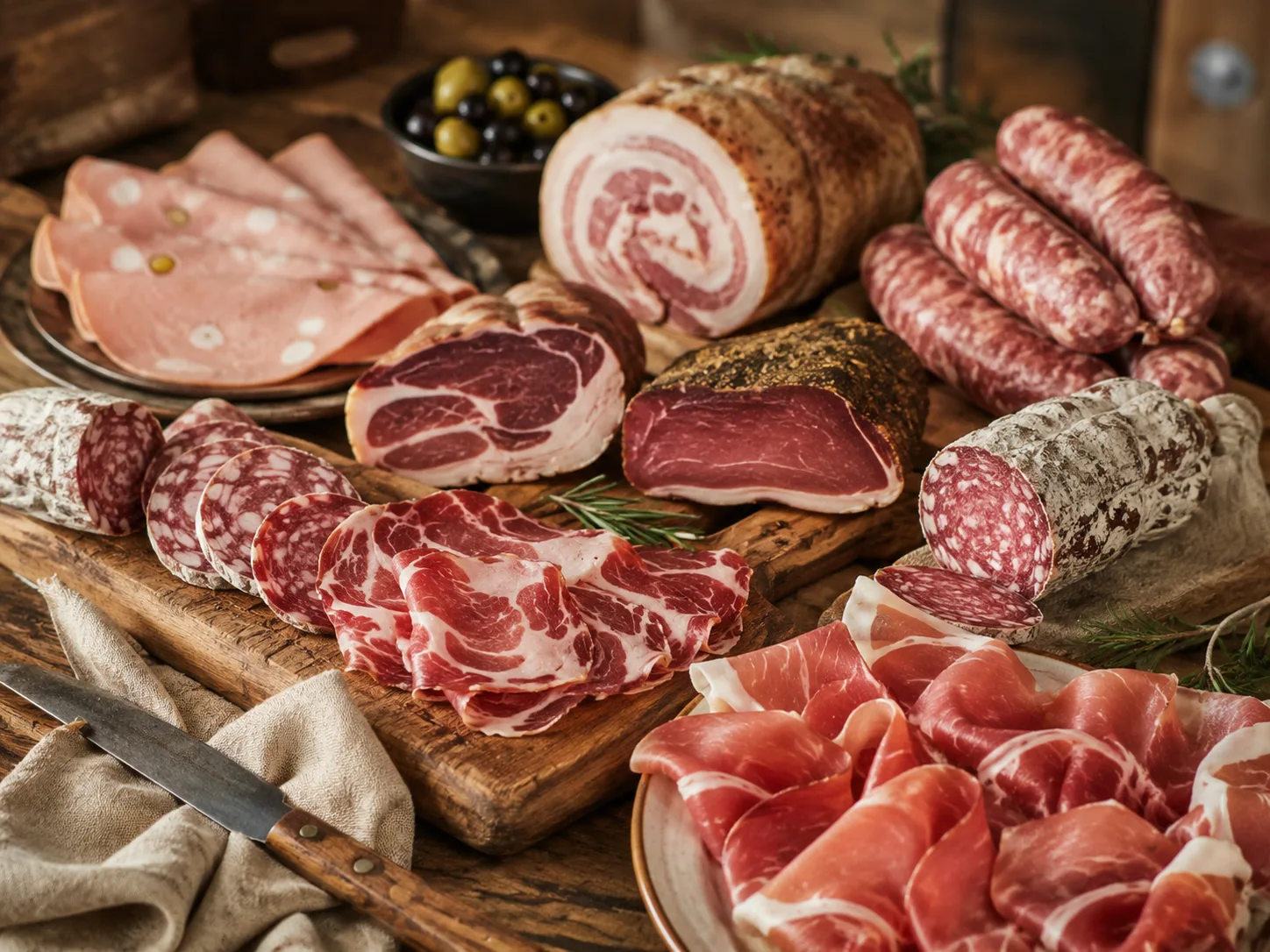
Realistic board with different Italian cured meats: prosciutto, speck, bresaola, mortadella, finocchiona and ’nduja
Credits: Image generated with AI technology

Italian cured meats: why every region preserves meat in its own way

Italian cured meats are far more than an appetiser board. Hams, salami, mortadella, speck, bresaola and ’nduja grew out of different ways of raising animals, slaughtering, salting and maturing meat. Their character depends on technique, climate, labour and local supply chains. Between protected name...
Read more
Ferry travelling between inhabited Italian islands, with a small harbour and homes facing the sea
Credits: Image generated with AI technology

Italy’s Minor Islands: An Italy of Archipelagos

Italy’s minor islands are often presented as summer destinations, yet they are first and foremost year-round communities where the sea determines time, cost and access to services. Elba, the Aeolian Islands, the Egadi, the Tremiti, the Pontine Islands, Procida, Pantelleria and Lampedusa reveal diffe...
Read more
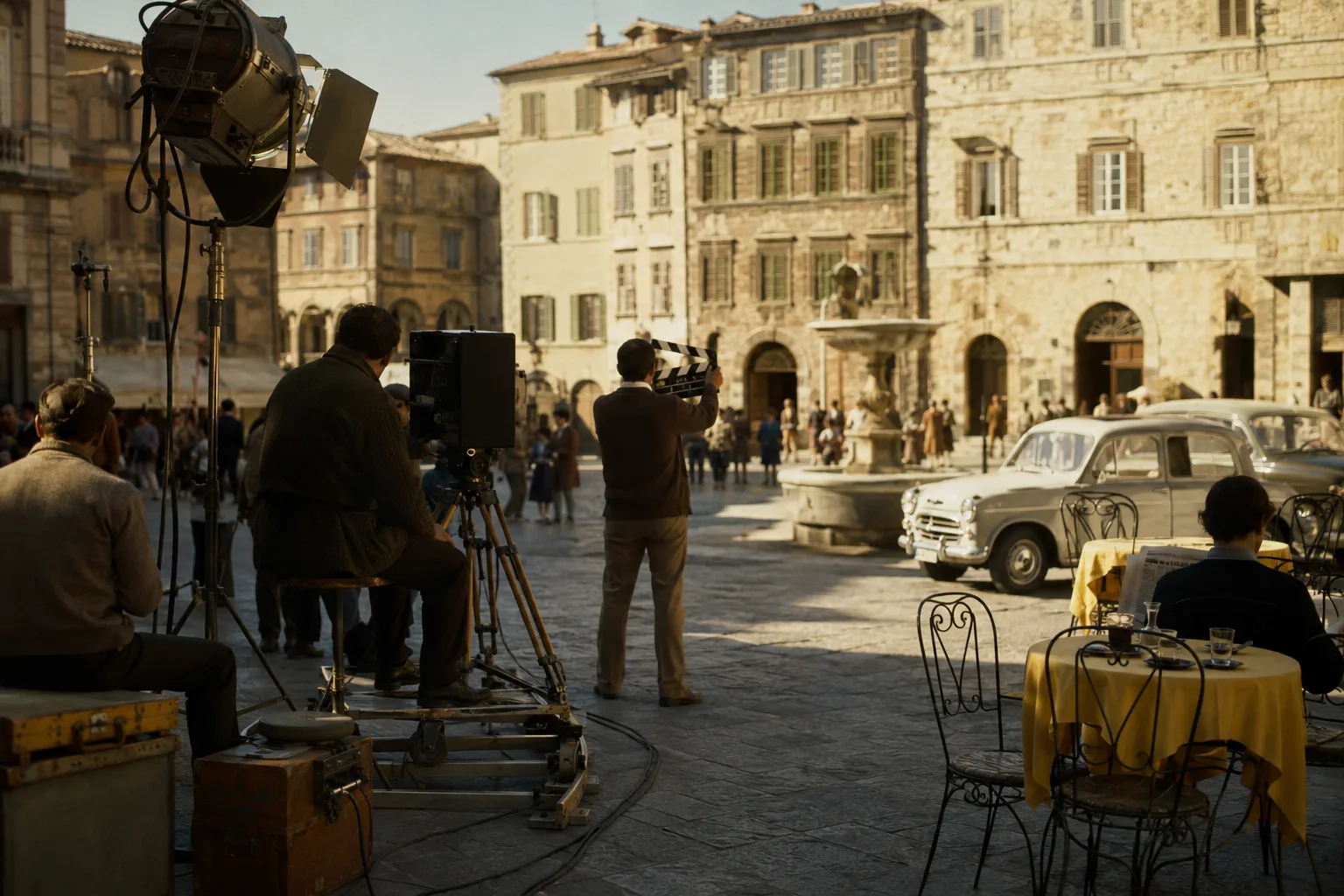
Evocative scene with a vintage Italian car on a summer road, a family table and cinematic figures in a realistic style
Credits: Image generated with AI technology

Commedia all’italiana: When Laughter Hurt

Commedia all’italiana portrayed post-war Italy, the economic boom and the disappointments that followed through characters who were often petty, vain, cowardly or desperate to rise. Laughter did not soften reality; it made it easier to see. In films by Monicelli, Risi, Germi and Scola, family, money...
Read more
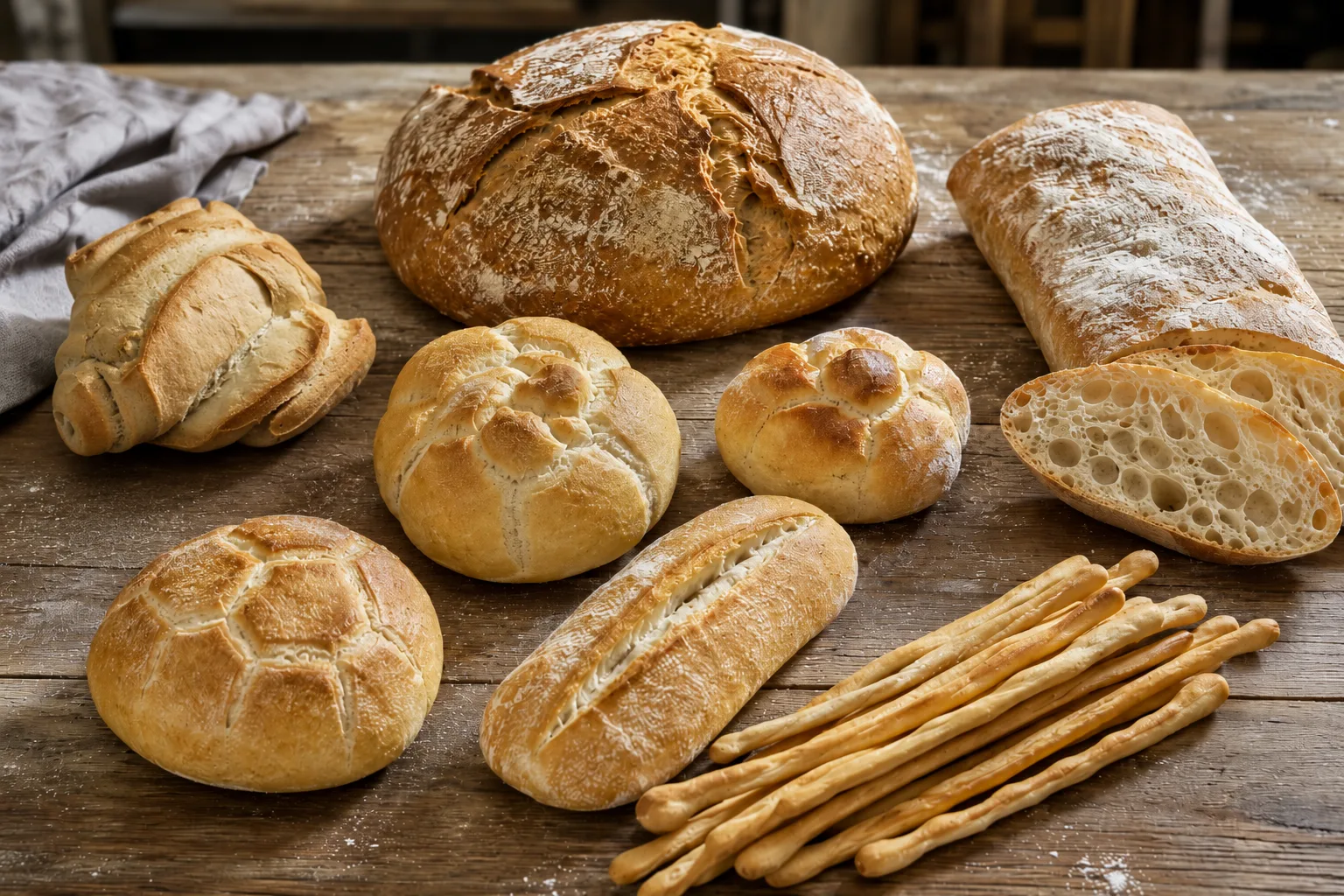
Selection of Italian breads with semolina loaves, pane carasau, rye bread and traditional local loaves
Credits: Image generated with AI technology

Italian Bread: A Hundred Local Traditions Behind an Everyday Food

Italian bread is more than an accompaniment to a meal. Its shapes tell of cereals, ovens, distance, labour and different ways of eating. From Apulian semolina to Sardinian carasau, from unsalted Tuscan bread to Alpine rye loaves, each bread answers the practical conditions of a place. Today these tr...
Read more
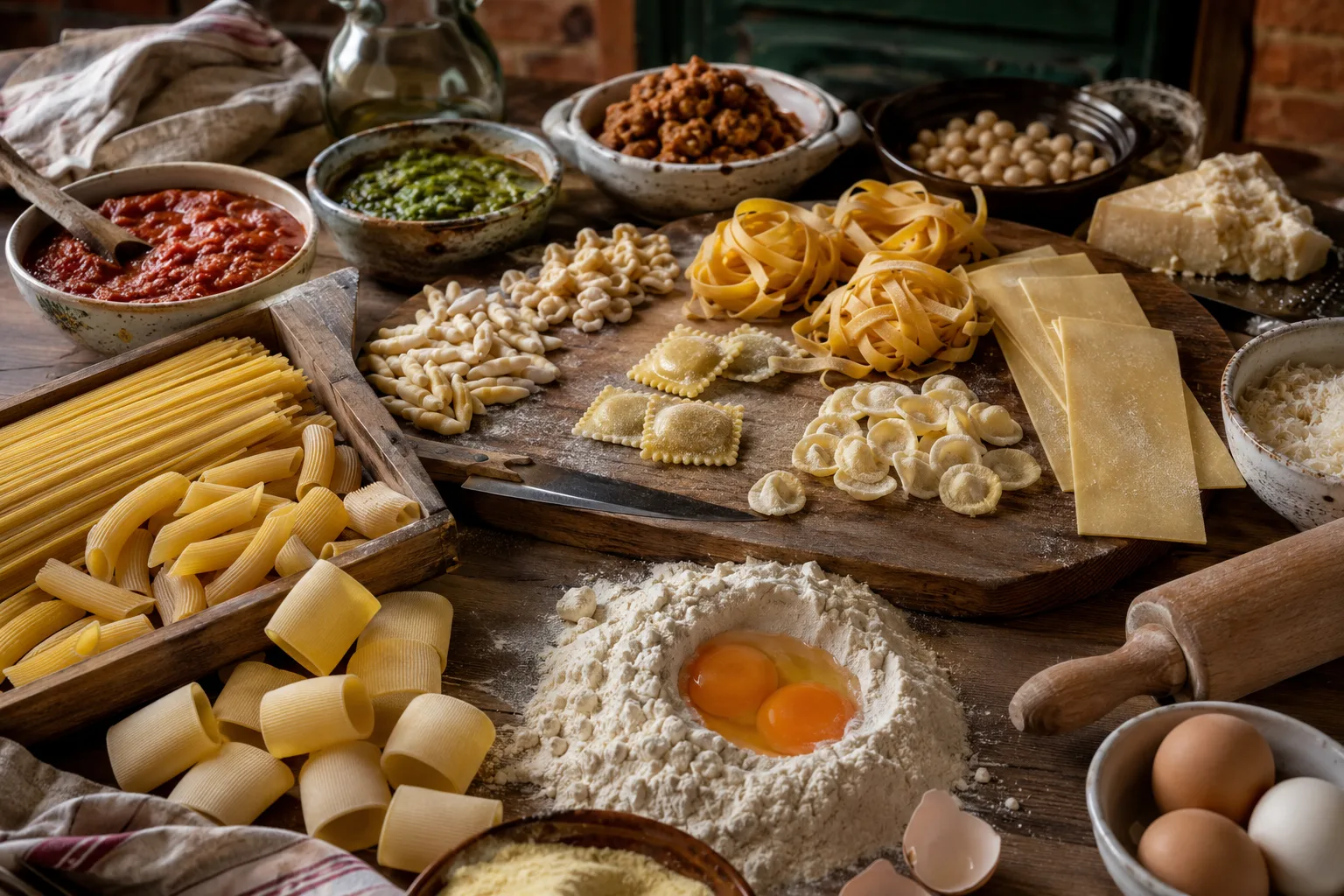
Selection of Italian pasta shapes, semolina and traditional utensils on a wooden table
Credits: Image generated with AI technology

Why Are There So Many Pasta Shapes? Forms, Places and Sauces in Italy

The pasta aisle seems to offer endless choice: spaghetti, penne, rigatoni, orecchiette, lasagne and ditalini. They are more than decorative variations. Each shape emerged from a meeting of dough, available wheat, tools, climate, storage needs and ways of eating. Sauces matter, but they belong to a w...
Read more
1980s studio and dance floor with synthesizers, drum machines, vinyl records and neon lights
Credits: Image generated with AI technology

Italo Disco: the Italian sound of the 1980s that the world discovered later

Italo disco emerged in the 1980s from the meeting of agile studios, electronic technology, small labels and the European market. It was not a unified movement, but a repertoire that compilations and international distribution turned into a cultural identity. Behind the synths, drum machines and pare...
Read more
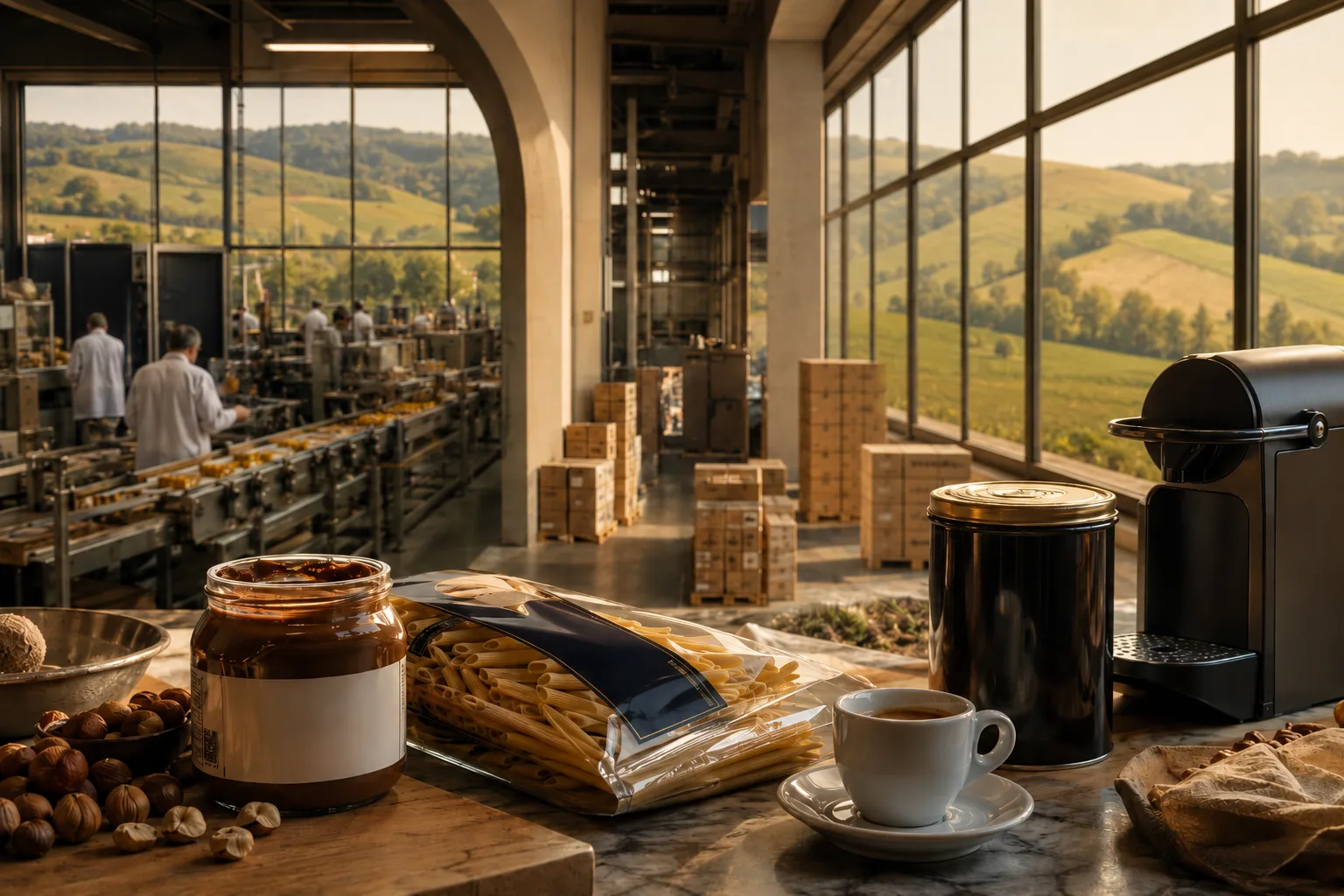
An editorial composition of products and symbols of Italian family industry, with references to Ferrero, Barilla, Illy and Fiat.
Credits: Image generated with AI technology

Surnames That Became Industries: Why Italian Business Still Has a Family Face

Ferrero, Barilla, Illy and Agnelli are surnames, brands and fragments of Italy’s industrial memory at once. Family capitalism helped many local companies become international groups, yet it does not amount to a small, closed or inherently virtuous model. Behind every name stand towns, supply chains,...
Read more
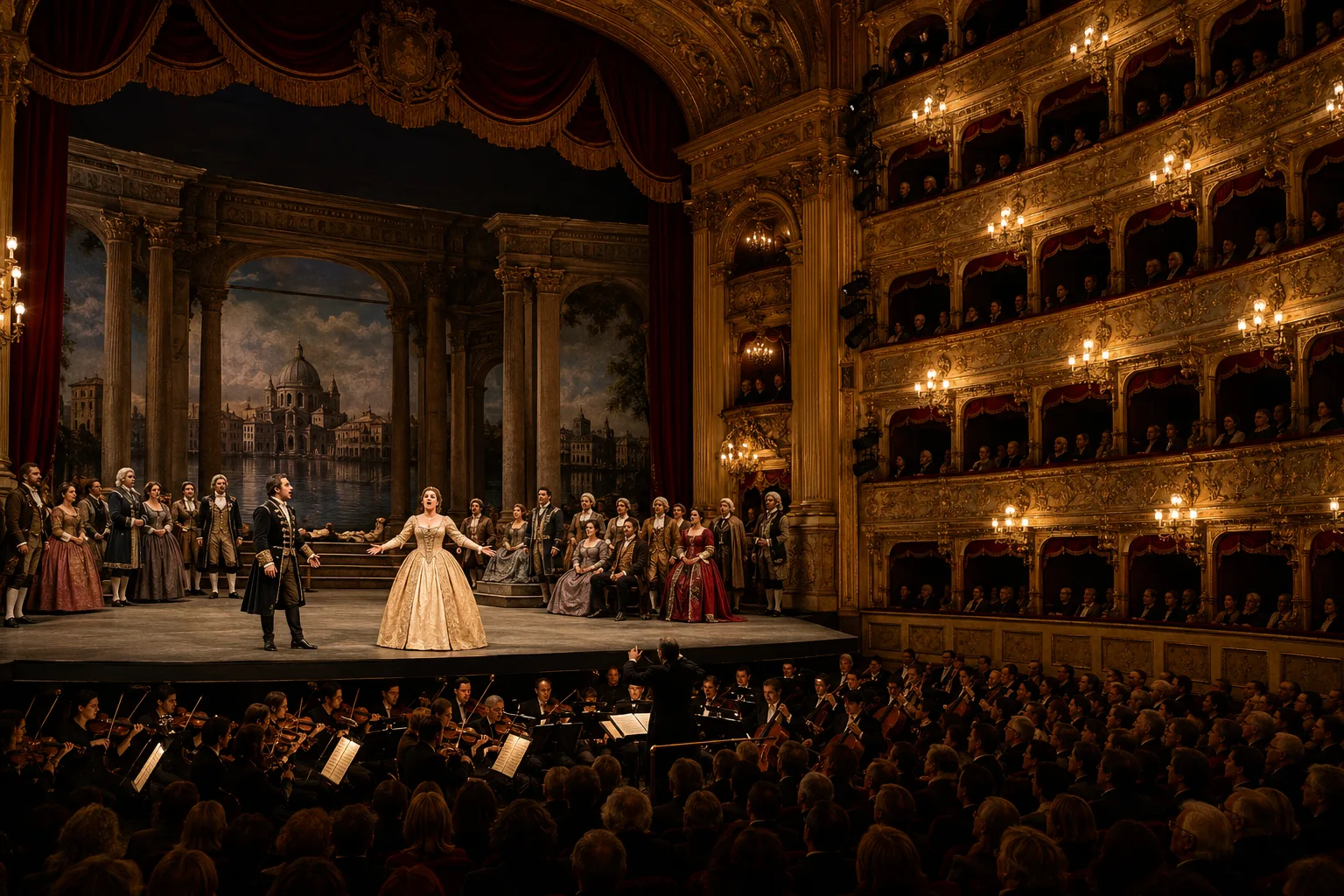
Opera singer on a historic Italian stage, facing an orchestra and a theatre auditorium
Credits: Image generated with AI technology

Italian Opera: How It Was Born, Why It Conquered the World and What It Still Tells Us About Italy

A singer fills an auditorium without a microphone, using breath, body and a language many listeners do not understand word for word. Italian opera grew from this ambition: to turn poetry, music and gesture into a shared experience. Before unification, rival cities built theatres, companies, singing ...
Read more
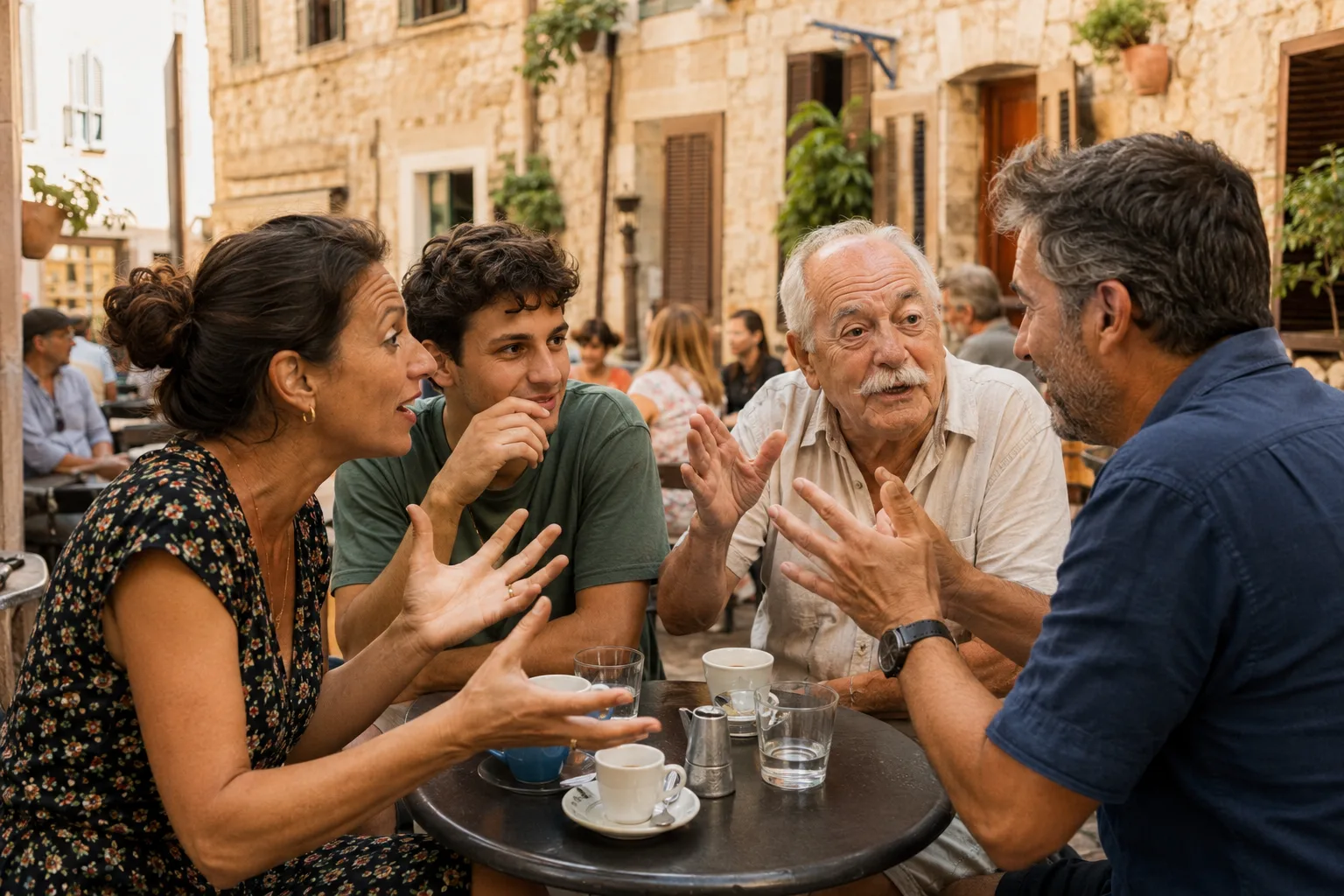
Two people talking in an Italian street while using expressive hand gestures.
Credits: Image generated with AI technology

Language, Dialects and Gesture: Why Italians Speak with Their Bodies Too

In Italy, conversation rarely travels through words alone. Common Italian lives alongside local cadences, dialects, minority languages and family repertoires shaped by migration. Voice, hands, distance and eye contact also change what a sentence conveys. This plurality still helps people create fami...
Read more
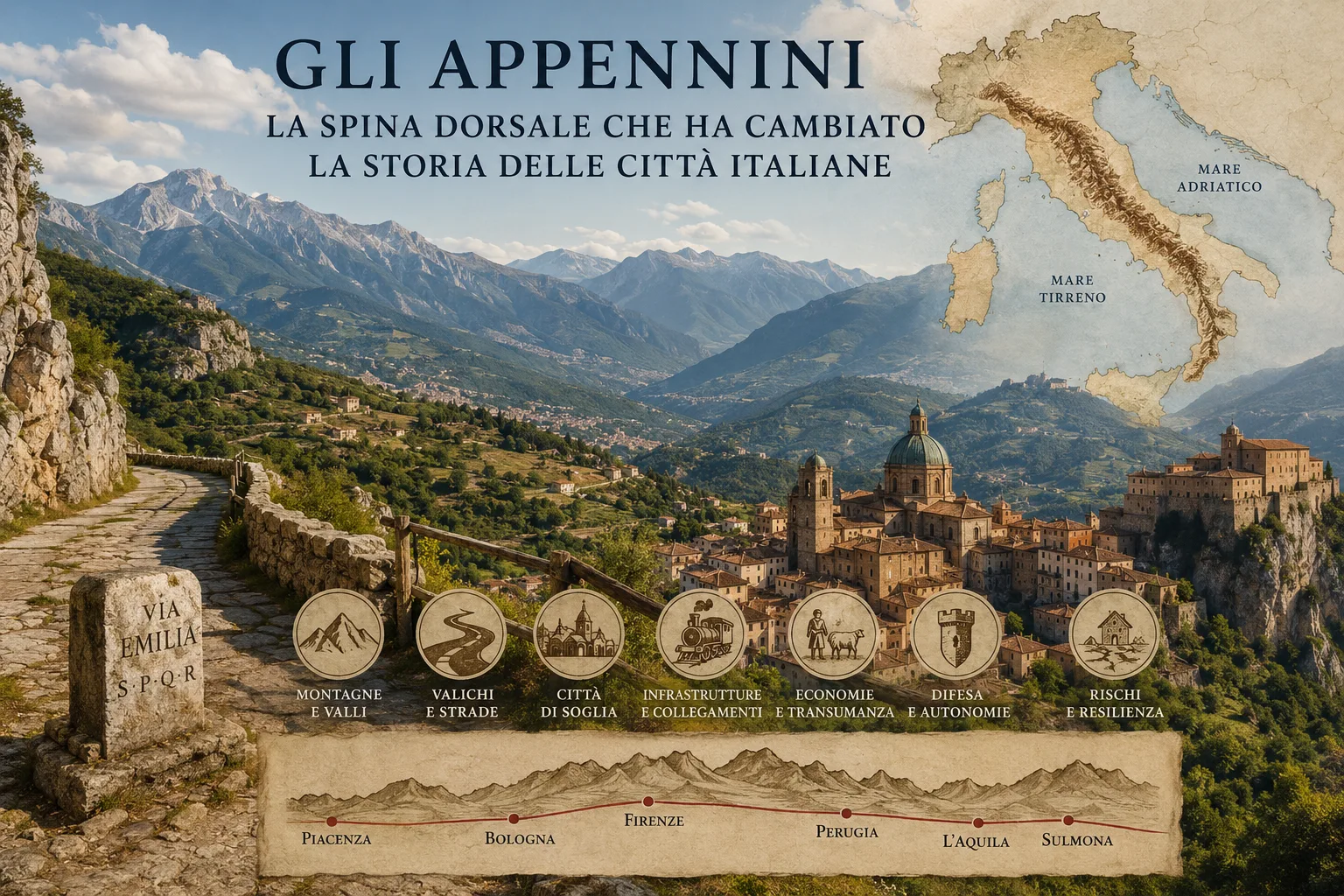
Aerial view of an Apennine valley with a winding road, a small town, fields and mountain ridges
Credits: Image generated with AI technology

The Apennines: The Spine That Changed the History of Italian Cities

The Apennines have shaped Italy’s cities, roads, economies and local identities for centuries. More than a mountain chain, they are a system of valleys, basins and passes that has governed where people could settle, trade, defend themselves and travel. From Bologna and Florence to L’Aquila and Perug...
Read more

Search in Blog