
Premium Content
This article is reserved for Premium subscribers. Log in or subscribe to read the full content.



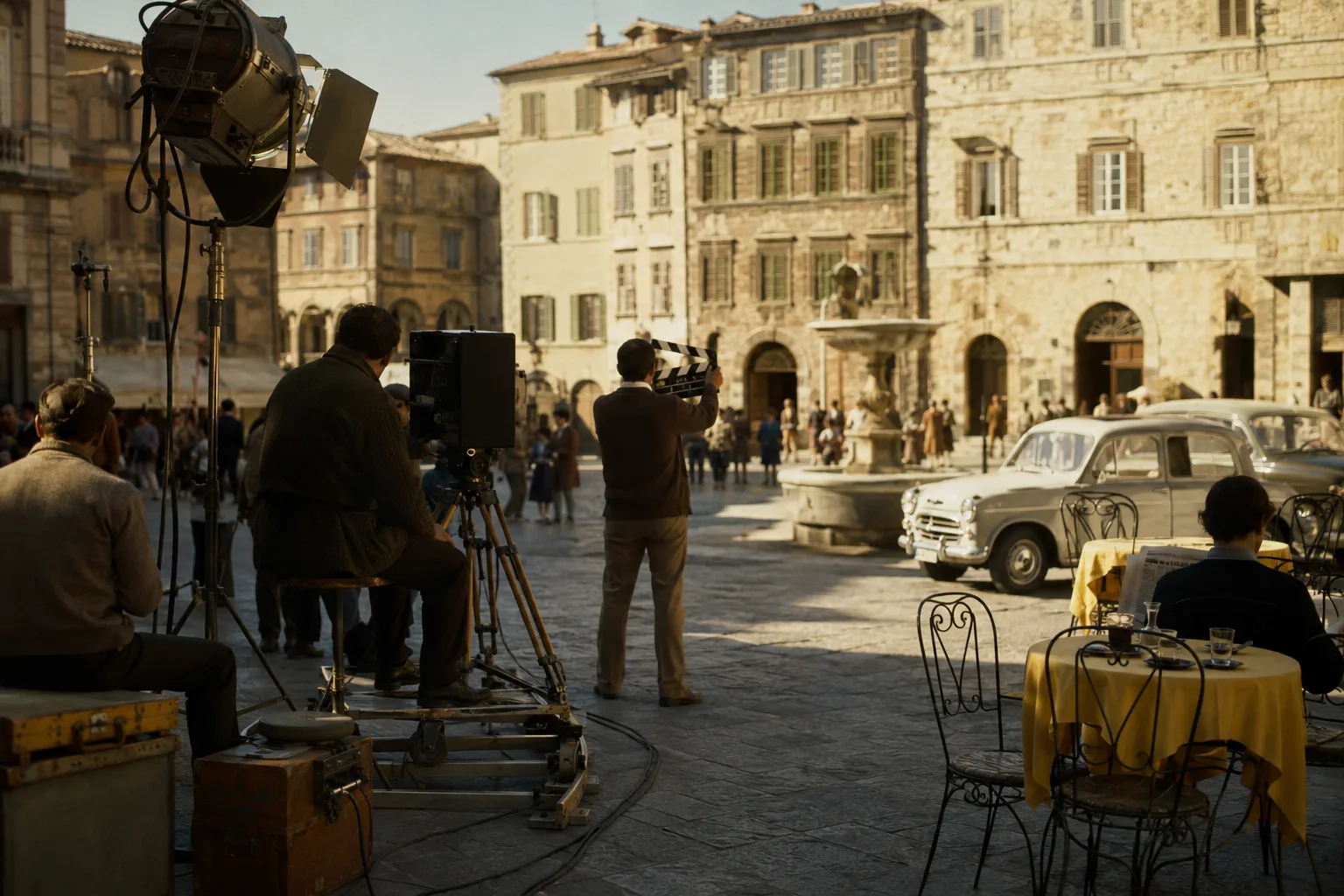
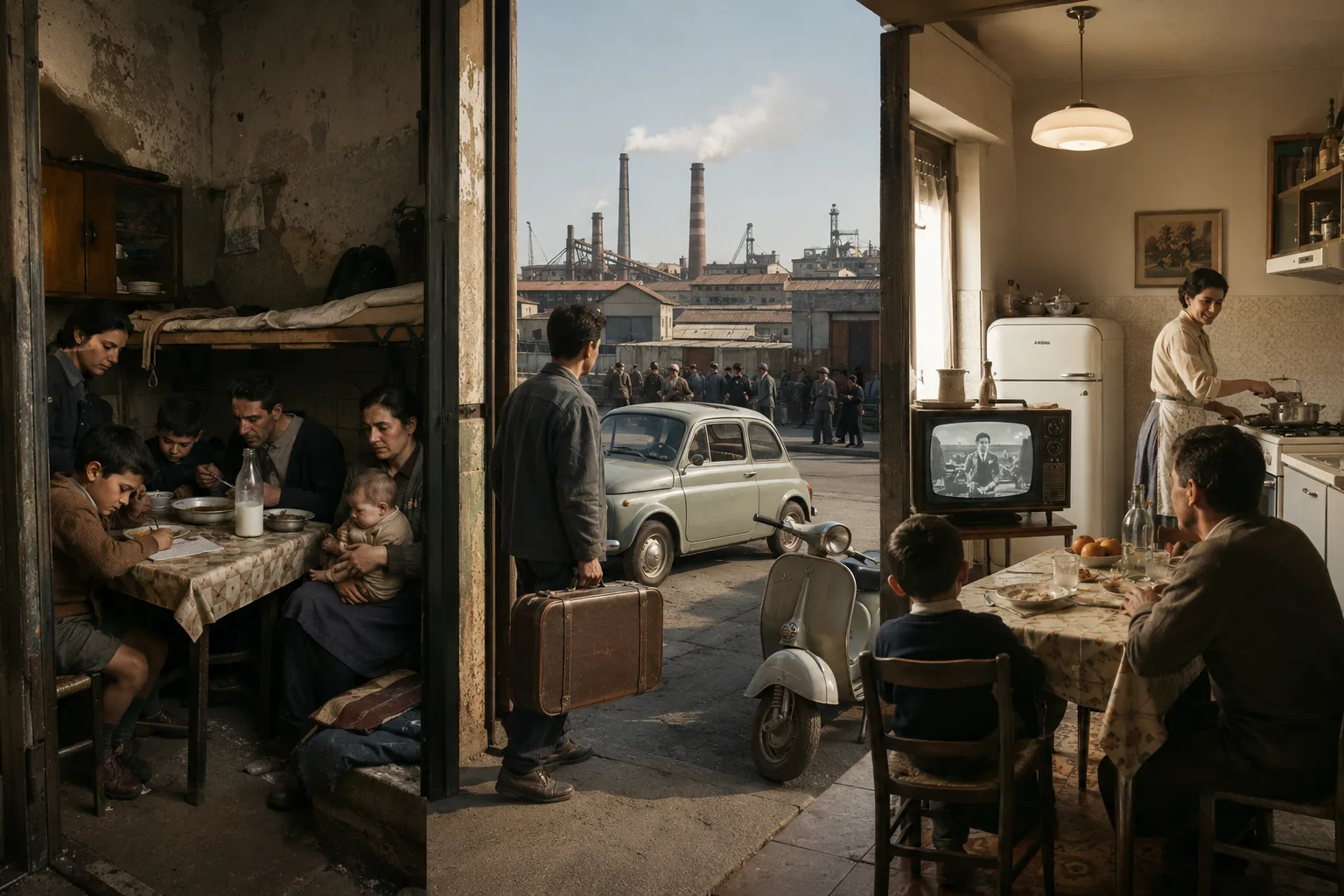
Commedia all’italiana portrayed post-war Italy, the economic boom and the disappointments that followed through characters who were often petty, vain, cowardly or desperate to rise. Laughter did not soften reality; it made it easier to see. In films by Monicelli, Risi, Germi and Scola, family, money, sexuality, work and politics emerge through men convinced they can always manage, while the ending reveals the cost of their choices.
This article is reserved for Premium subscribers. Log in or subscribe to read the full content.
The best choice to save money with a single annual payment. Cancel anytime.
Recurring payment every month, completely automatic. Cancel anytime.

 Free
Free

We use cookies and similar technologies to keep the website secure and fully functional. With your consent, we also use analytics cookies to understand traffic and improve the website.
Required for security, navigation, language selection and consent storage. Always active.
Allows privacy-respectful traffic measurement through Google Analytics 4 after your consent.
Discussion
Join discussion!
There are already 0 comments on this article in the forum.