Premium Content
This article is reserved for Premium subscribers. Log in or subscribe to read the full content.



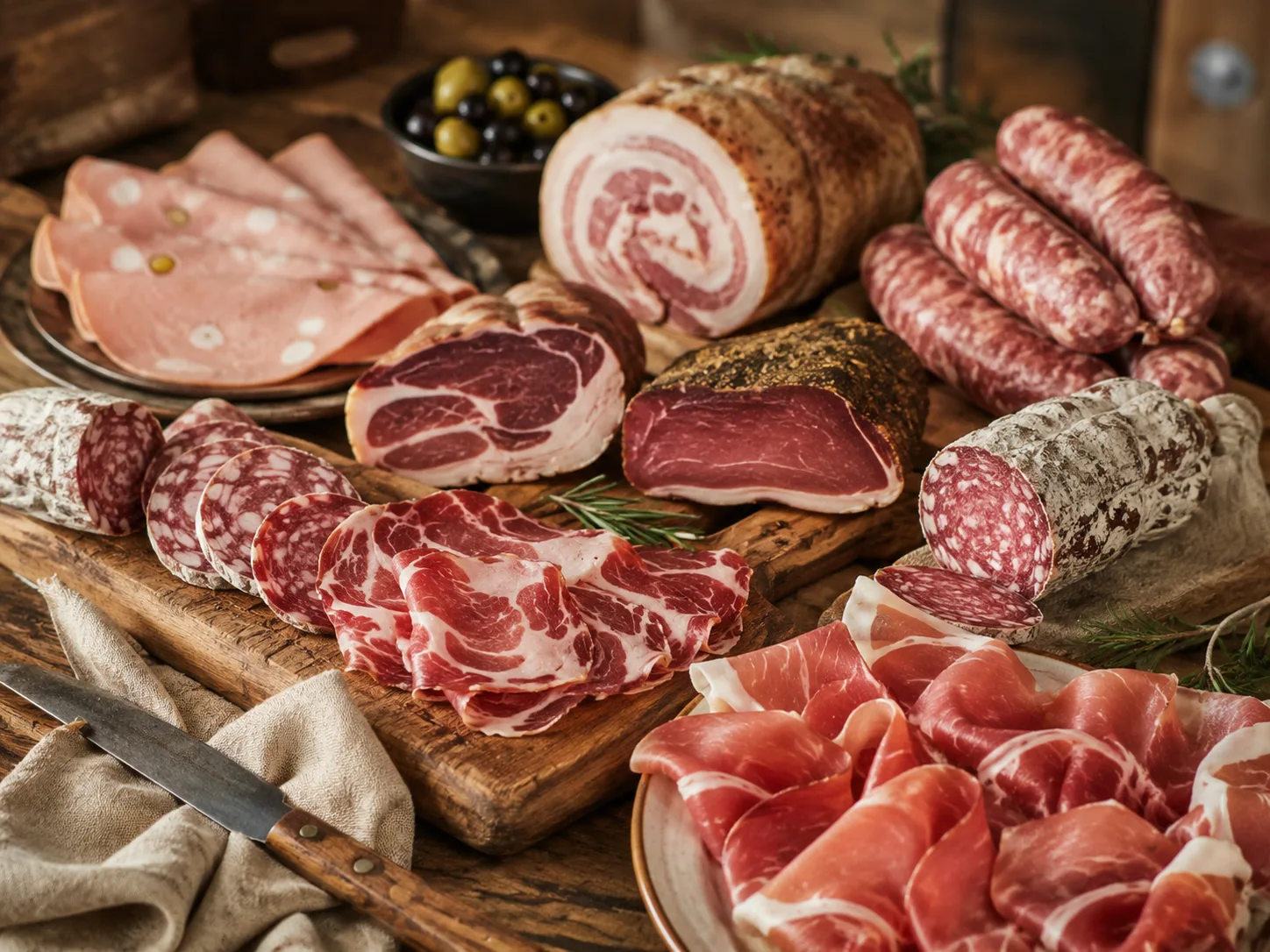
Italian cured meats are far more than an appetiser board. Hams, salami, mortadella, speck, bresaola and ’nduja grew out of different ways of raising animals, slaughtering, salting and maturing meat. Their character depends on technique, climate, labour and local supply chains. Between protected names, industry and mindful consumption, every slice still carries a concrete history of place and time.
This article is reserved for Premium subscribers. Log in or subscribe to read the full content.
The best choice to save money with a single annual payment. Cancel anytime.
Recurring payment every month, completely automatic. Cancel anytime.
 Free
Free


We use cookies and similar technologies to keep the website secure and fully functional. With your consent, we also use analytics cookies to understand traffic and improve the website.
Required for security, navigation, language selection and consent storage. Always active.
Allows privacy-respectful traffic measurement through Google Analytics 4 after your consent.
Discussion
Join discussion!
There are already 0 comments on this article in the forum.