Premium Content
This article is reserved for Premium subscribers. Log in or subscribe to read the full content.



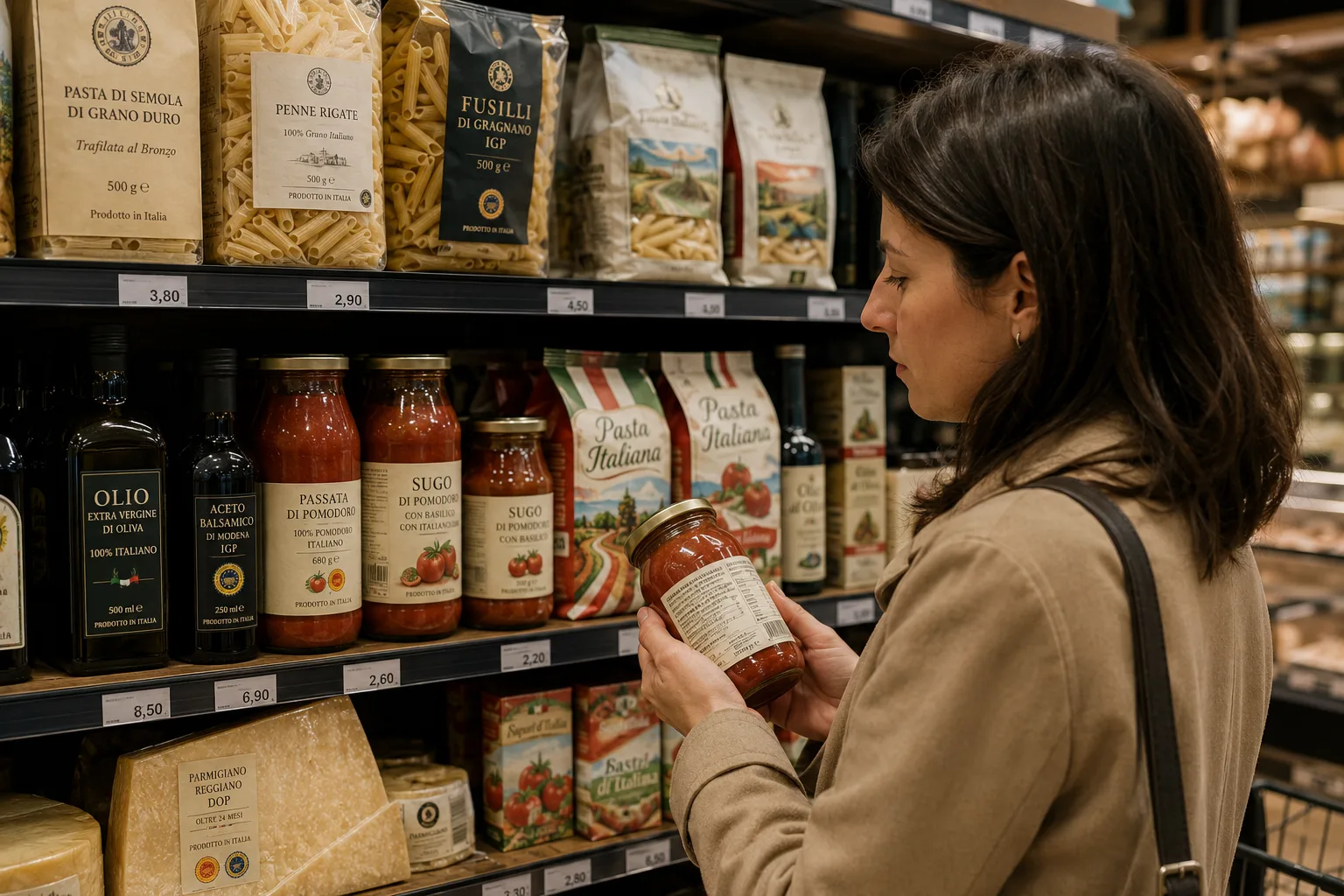
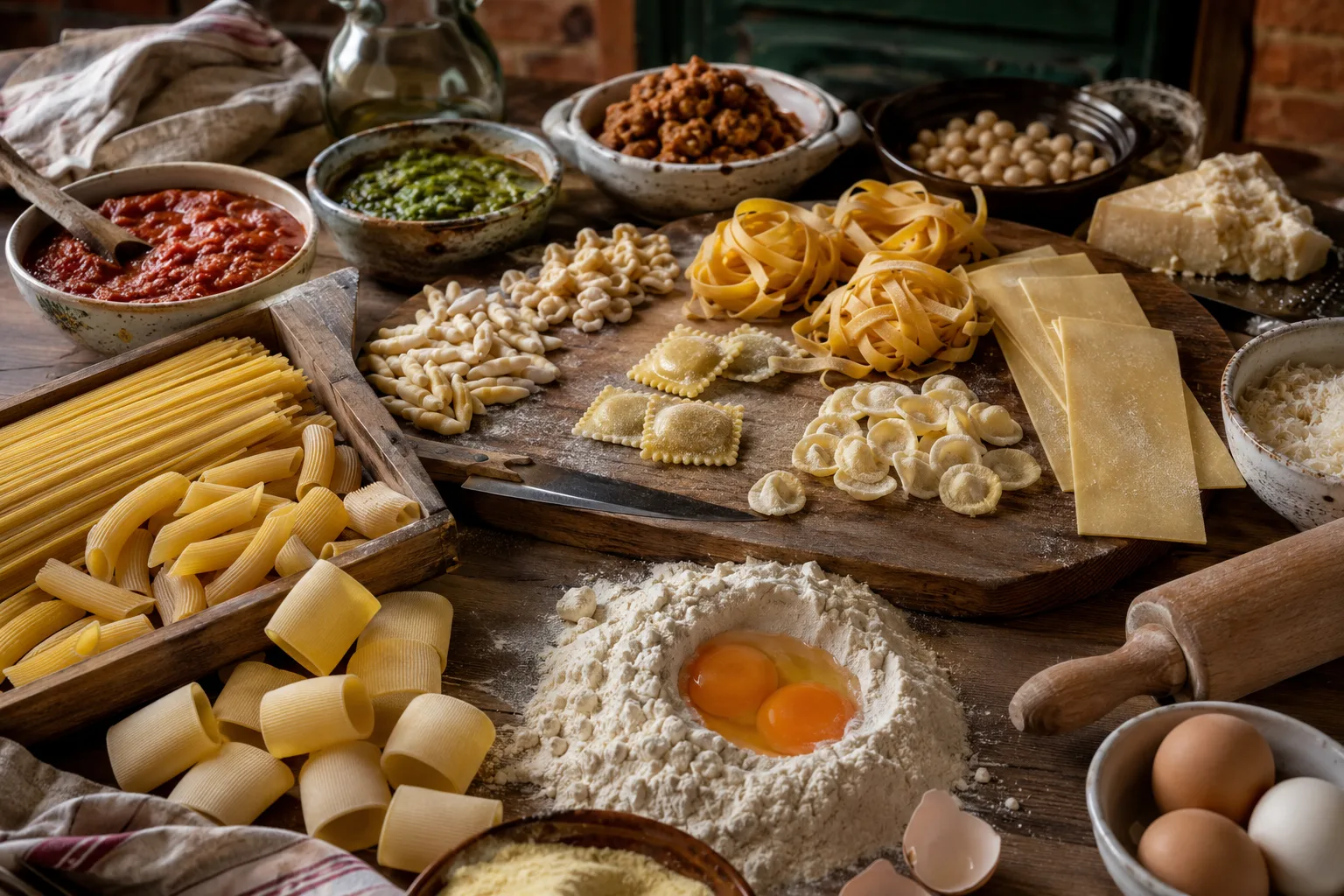
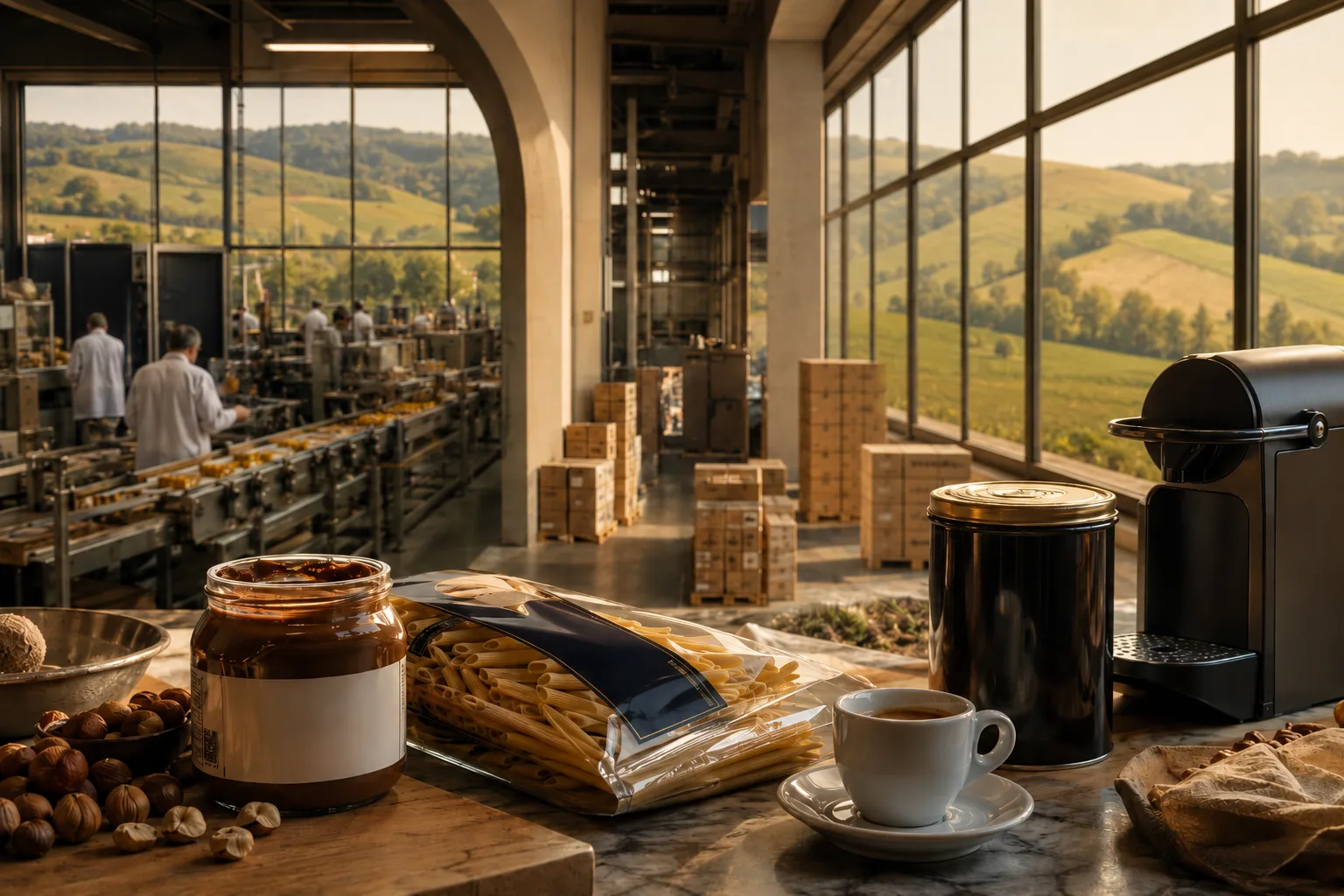
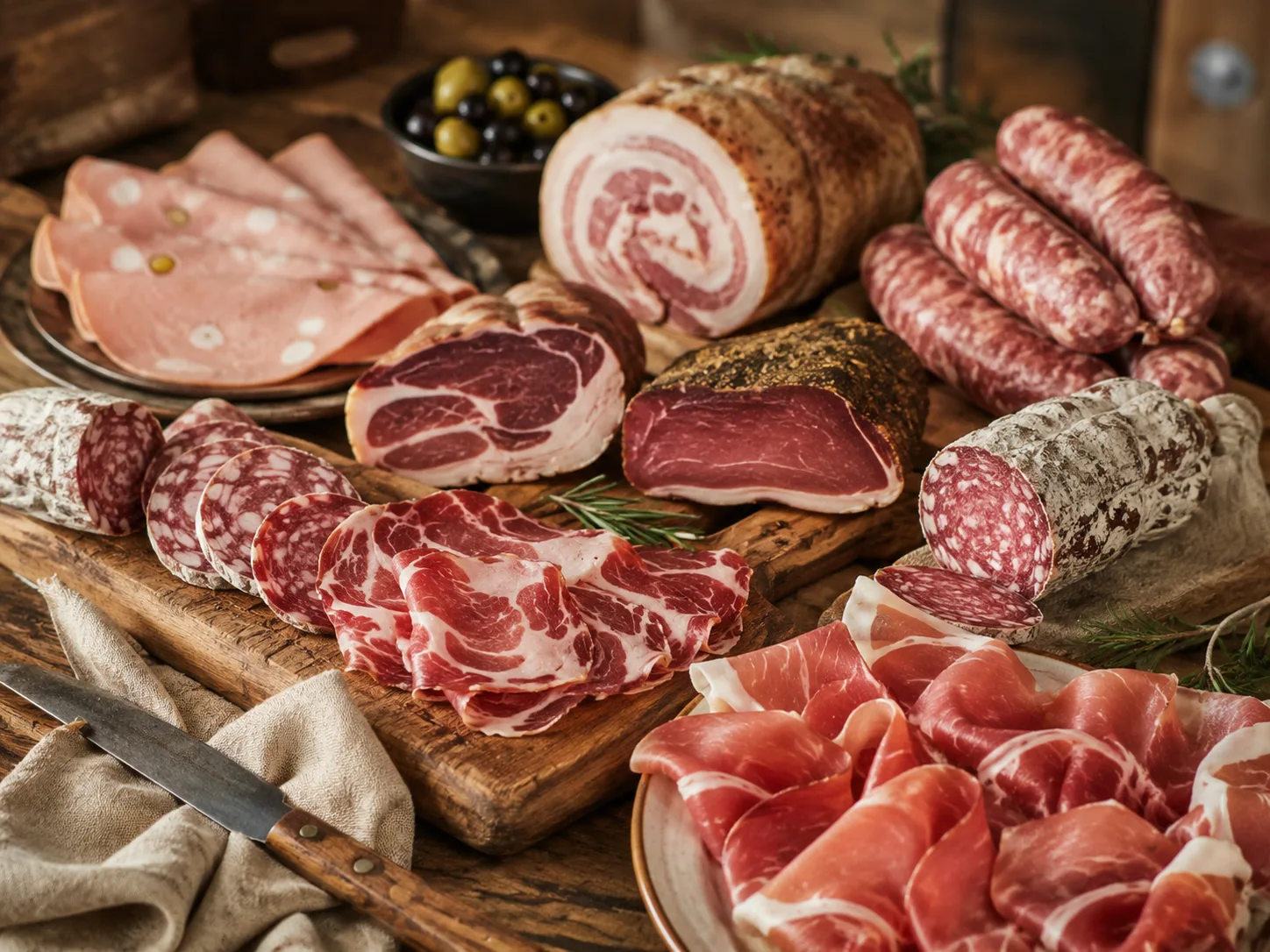
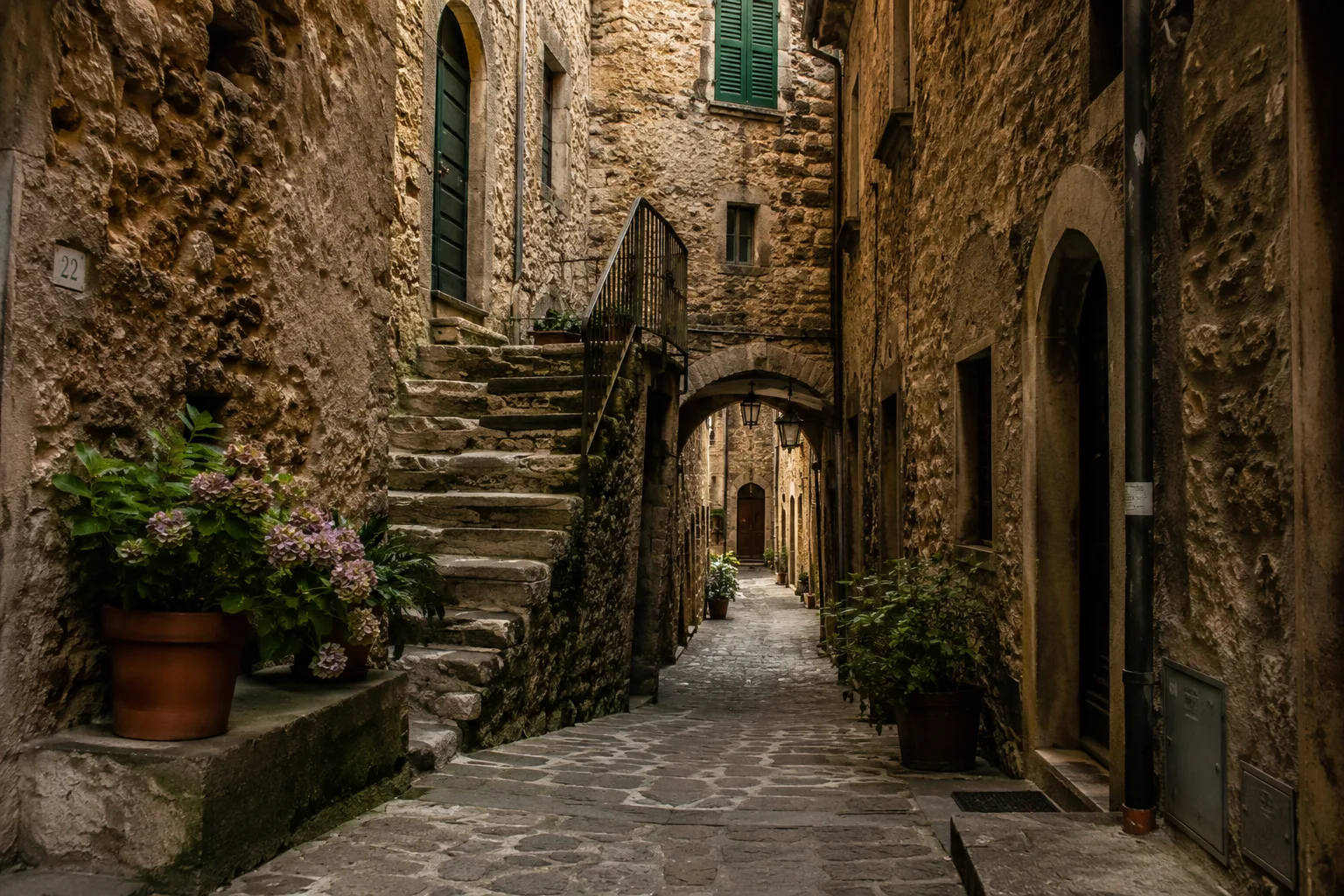
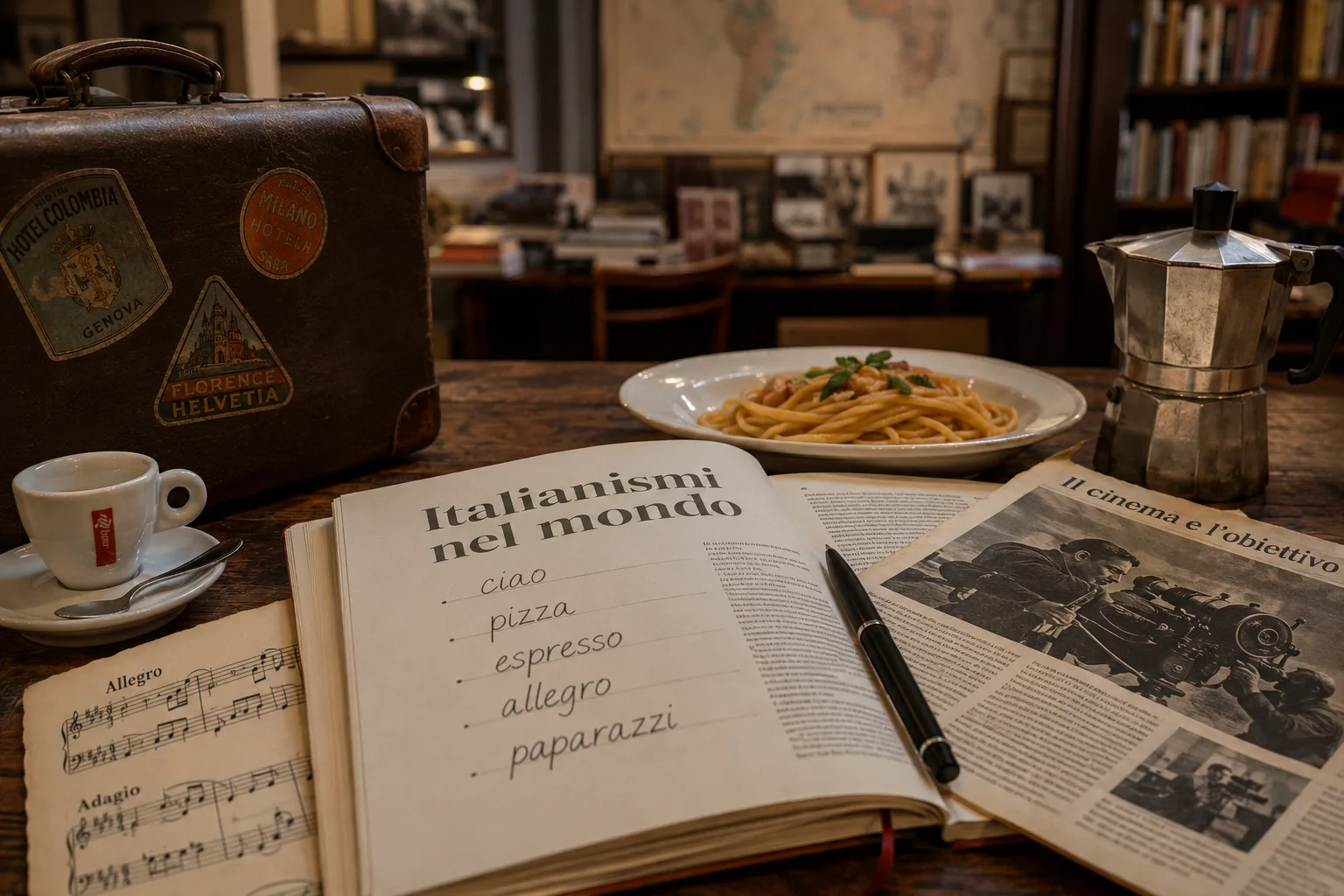
Italian food is often recognised before it is tasted: an Italian name, the tricolour, a village square, a bottle that suggests wine or olive oil. These signs carry emotional weight, especially for people living far from Italy or keeping a family memory of it. Yet understanding what we are buying requires other information: producer, ingredients, declared origin, protected designations and details available online. A guide to distinguishing Italian products, specialities born in the diaspora and commercial references that use Italy as an image.
This article is reserved for Premium subscribers. Log in or subscribe to read the full content.
The best choice to save money with a single annual payment. Cancel anytime.
Recurring payment every month, completely automatic. Cancel anytime.

 Free
Free




We use cookies and similar technologies to keep the website secure and fully functional. With your consent, we also use analytics cookies to understand traffic and improve the website.
Required for security, navigation, language selection and consent storage. Always active.
Allows privacy-respectful traffic measurement through Google Analytics 4 after your consent.
Discussion
Join discussion!
There are already 0 comments on this article in the forum.