Premium Content
This article is reserved for Premium subscribers. Log in or subscribe to read the full content.



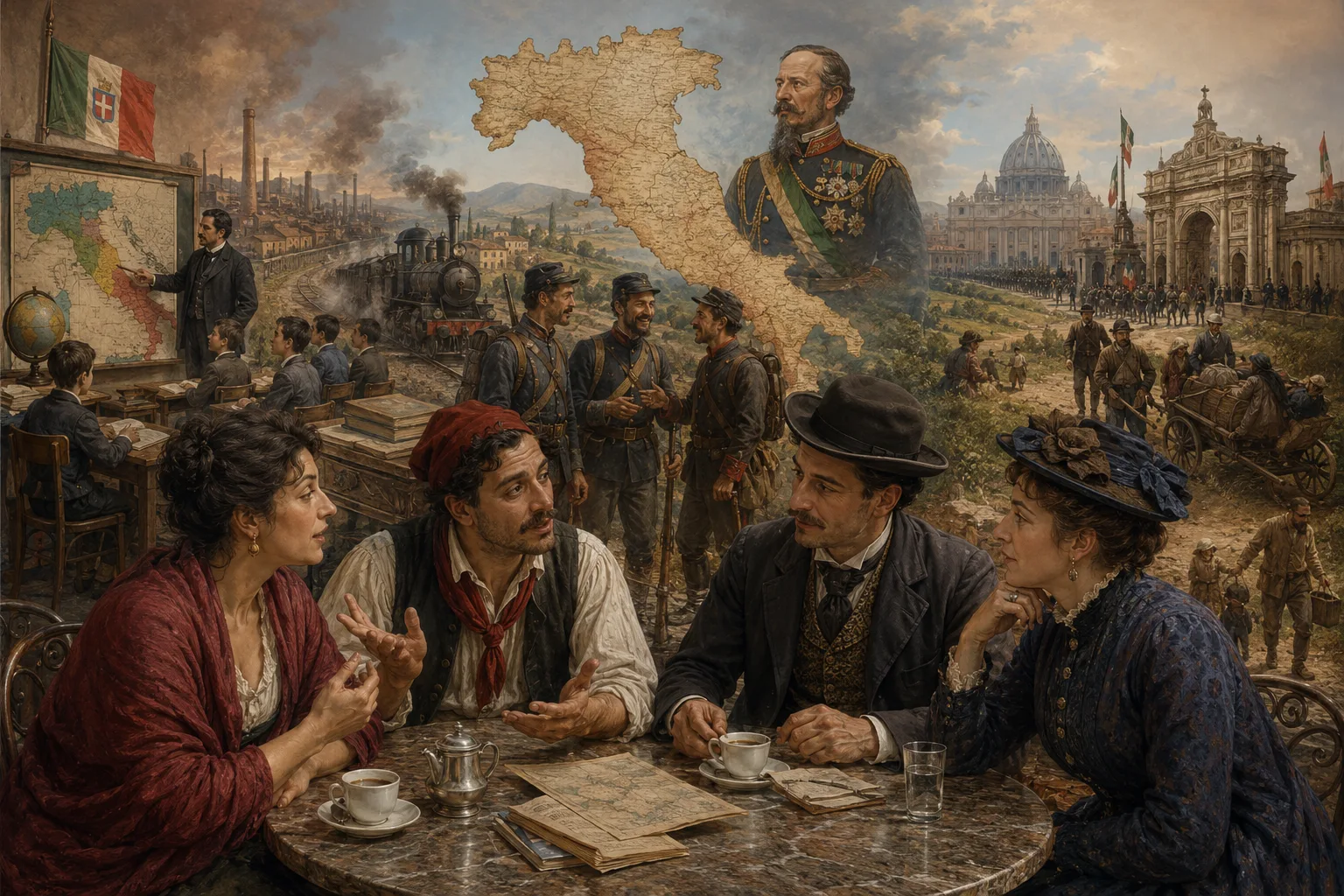
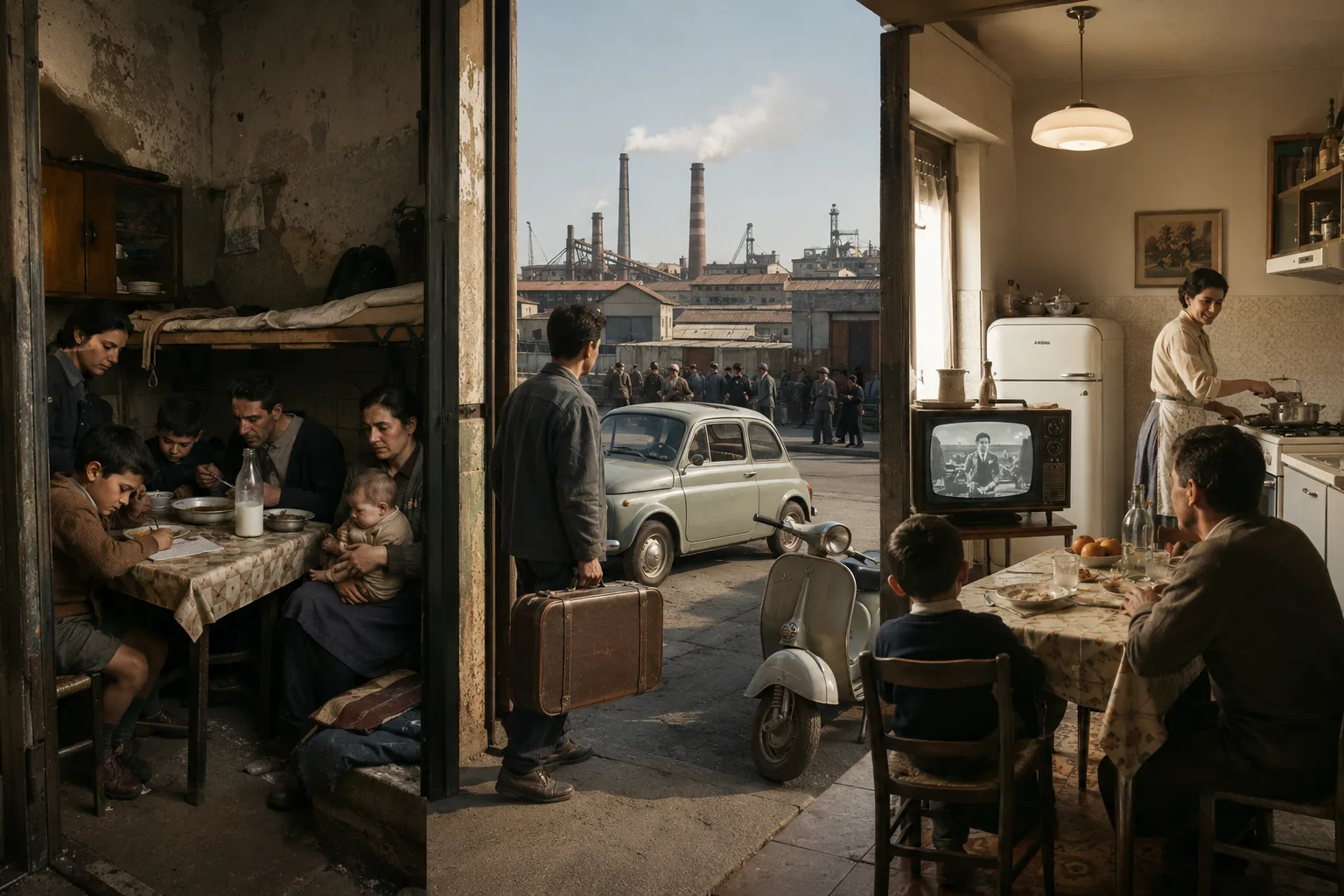
Italy existed long before 1861 as a geographical space and a cultural civilisation, but not as a single state. Political unification created a kingdom, not an instant national community. Language, school, migration, the Church, regional inequalities and local loyalties all shaped a slower and unfinished process. Italy is united by institutions and shared experiences, yet remains made up of overlapping identities whose differences become damaging only when they turn into inequality or mutual indifference.
This article is reserved for Premium subscribers. Log in or subscribe to read the full content.
The best choice to save money with a single annual payment. Cancel anytime.
Recurring payment every month, completely automatic. Cancel anytime.
 Free
Free
 Free
Free

We use cookies and similar technologies to keep the website secure and fully functional. With your consent, we also use analytics cookies to understand traffic and improve the website.
Required for security, navigation, language selection and consent storage. Always active.
Allows privacy-respectful traffic measurement through Google Analytics 4 after your consent.
Discussion
Join discussion!
There are already 0 comments on this article in the forum.